

Dallas ISD — George Peabody Elementary School
Architect: Pfluger Architects, Inc.
“New build, replacement;
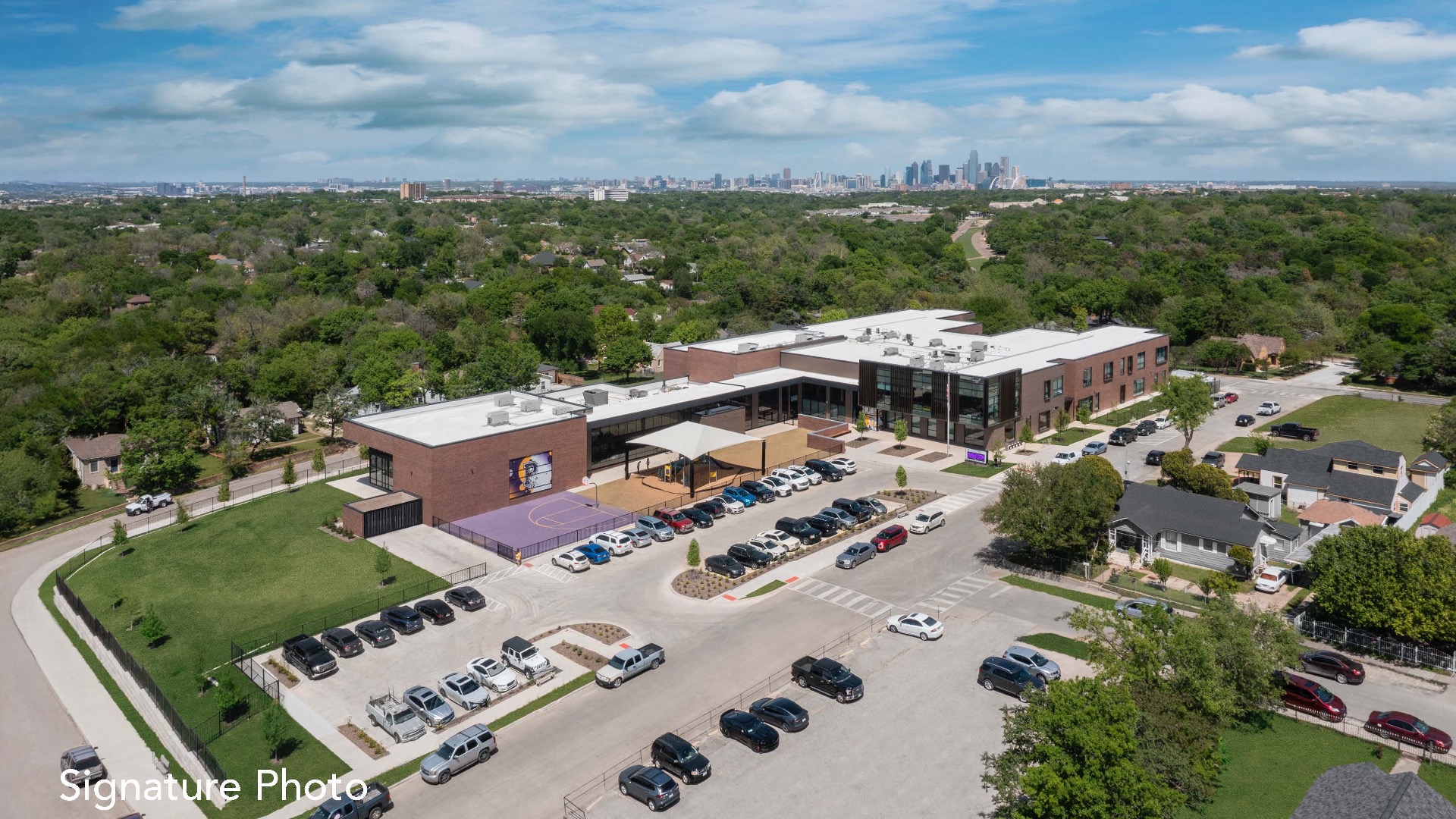
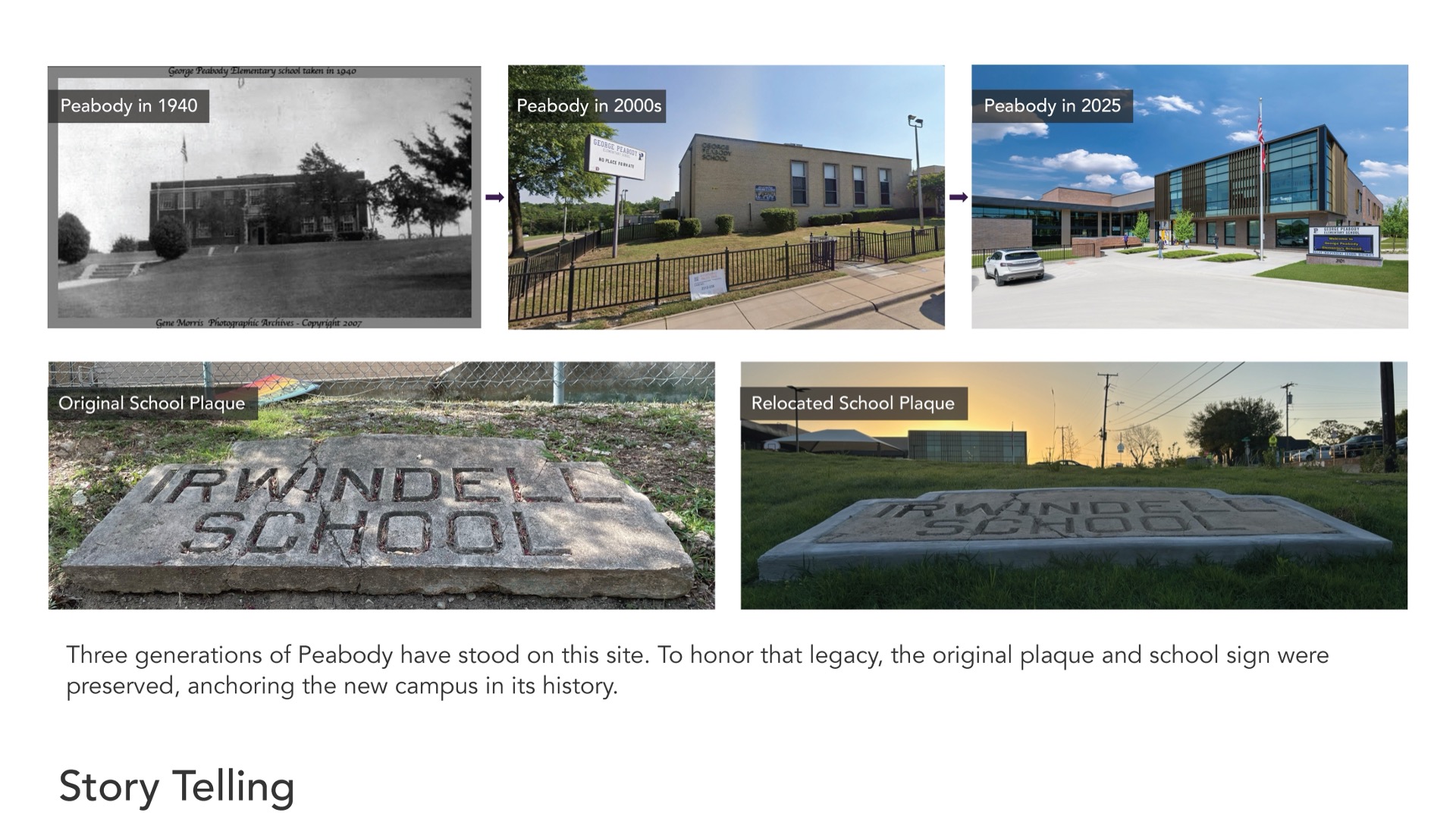
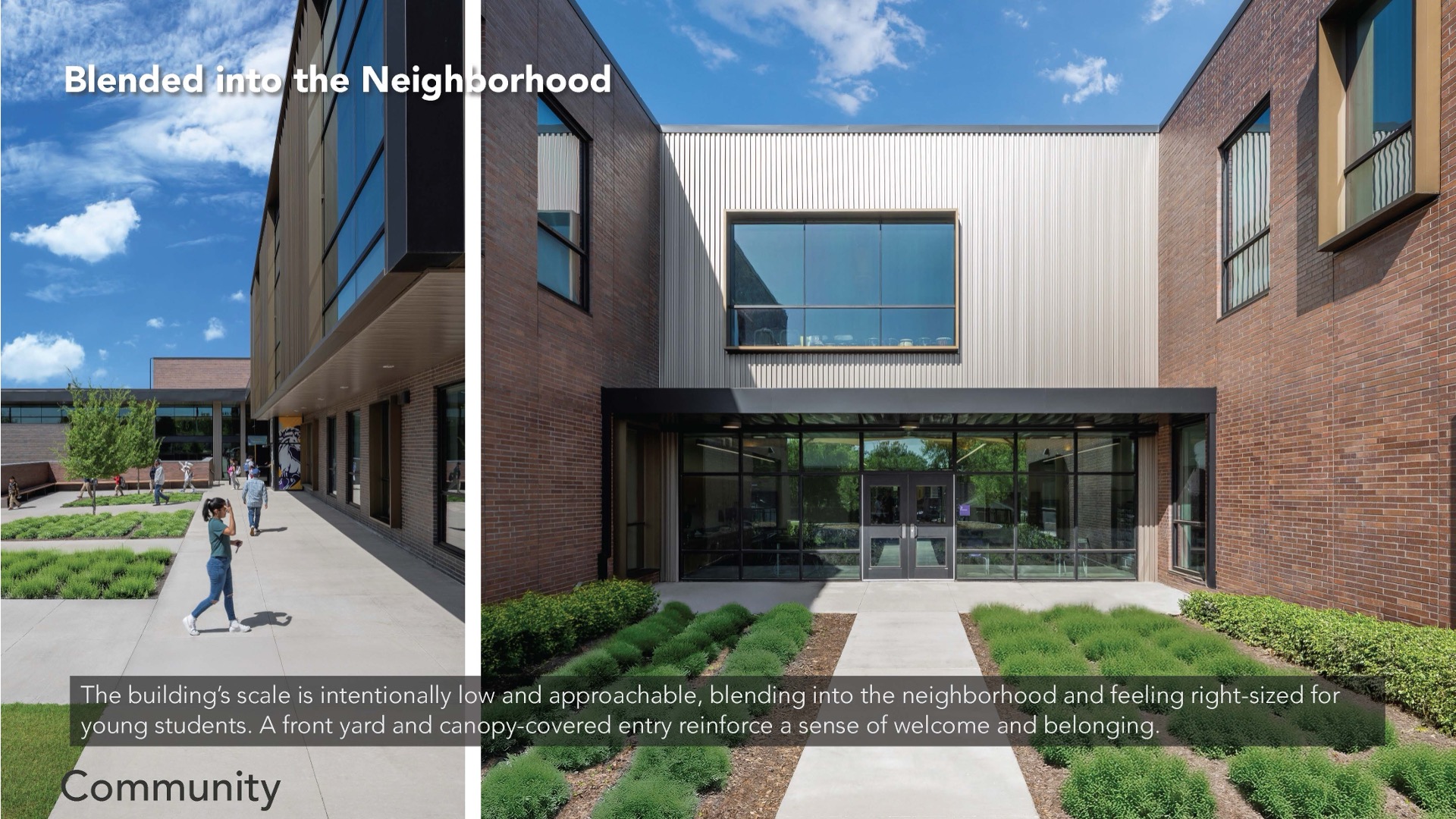
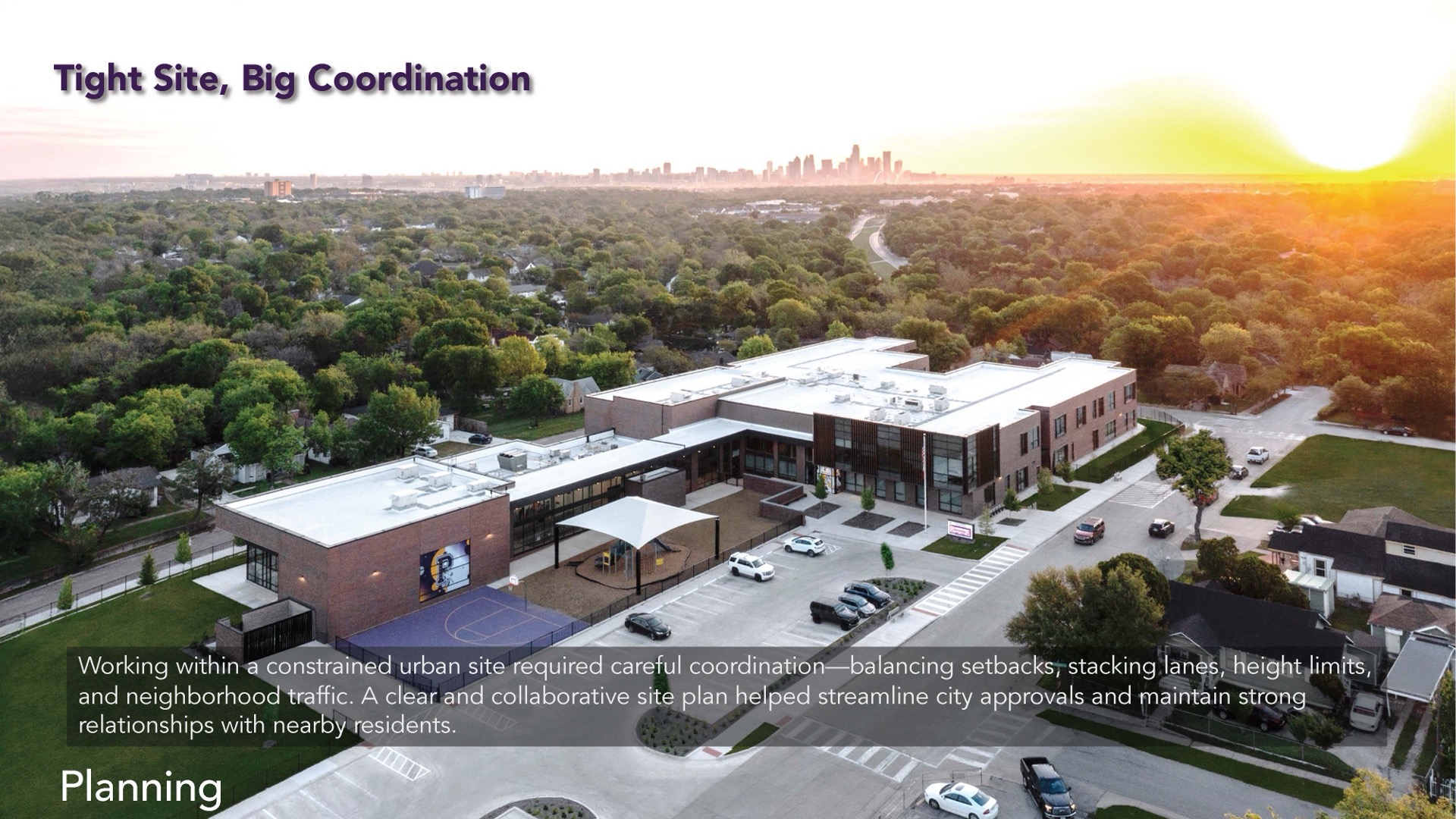
Replacing a century-old school meant more than new construction—it meant carrying forward identity. In Oak Cliff, Peabody was a constant. Despite pandemic-era challenges and a compact site, the new design delivers a light-filled, transparent campus that blurs indoor and outdoor boundaries, blends into the neighborhood, and offers a new home to future generations.”
 Design
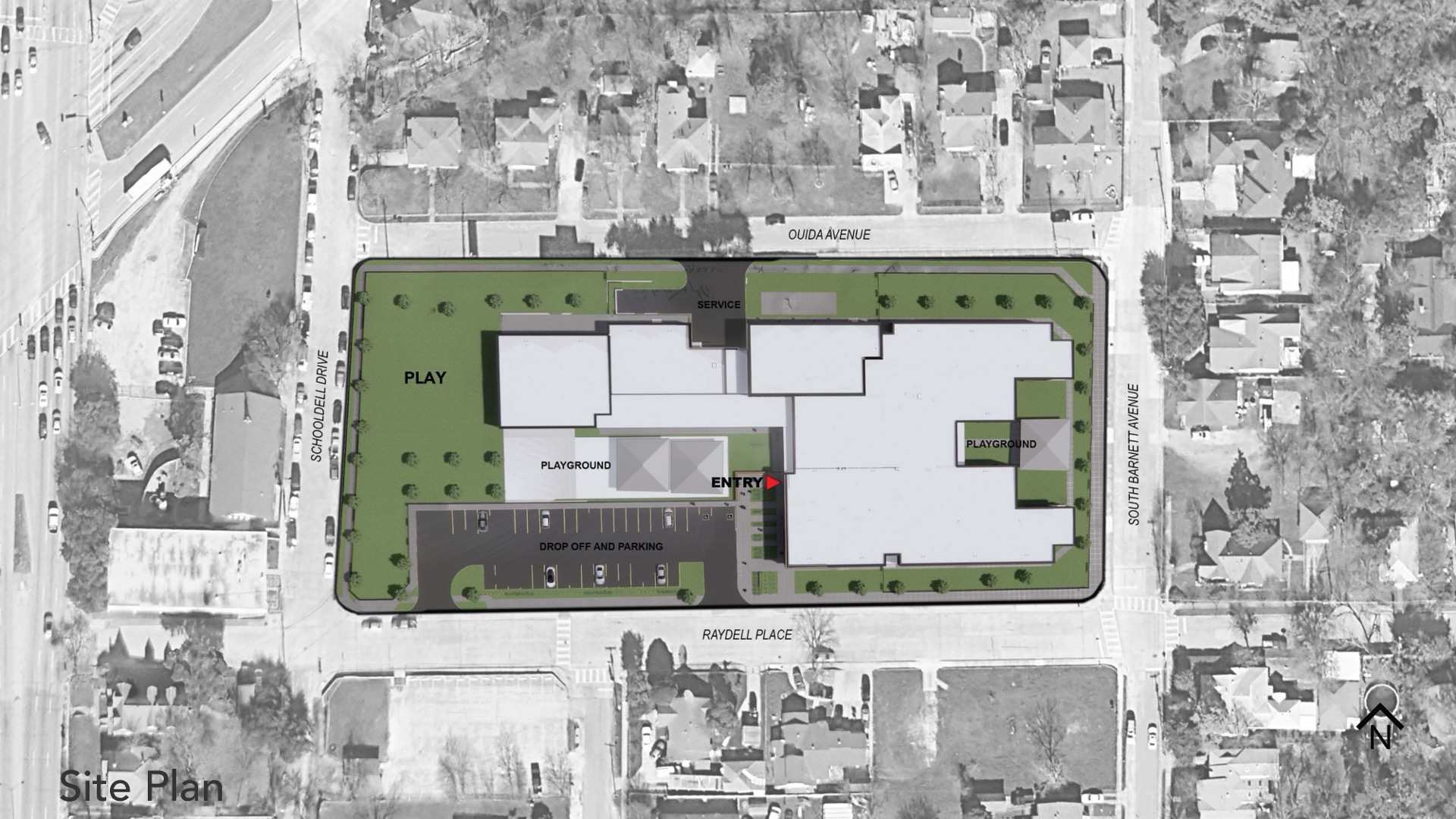
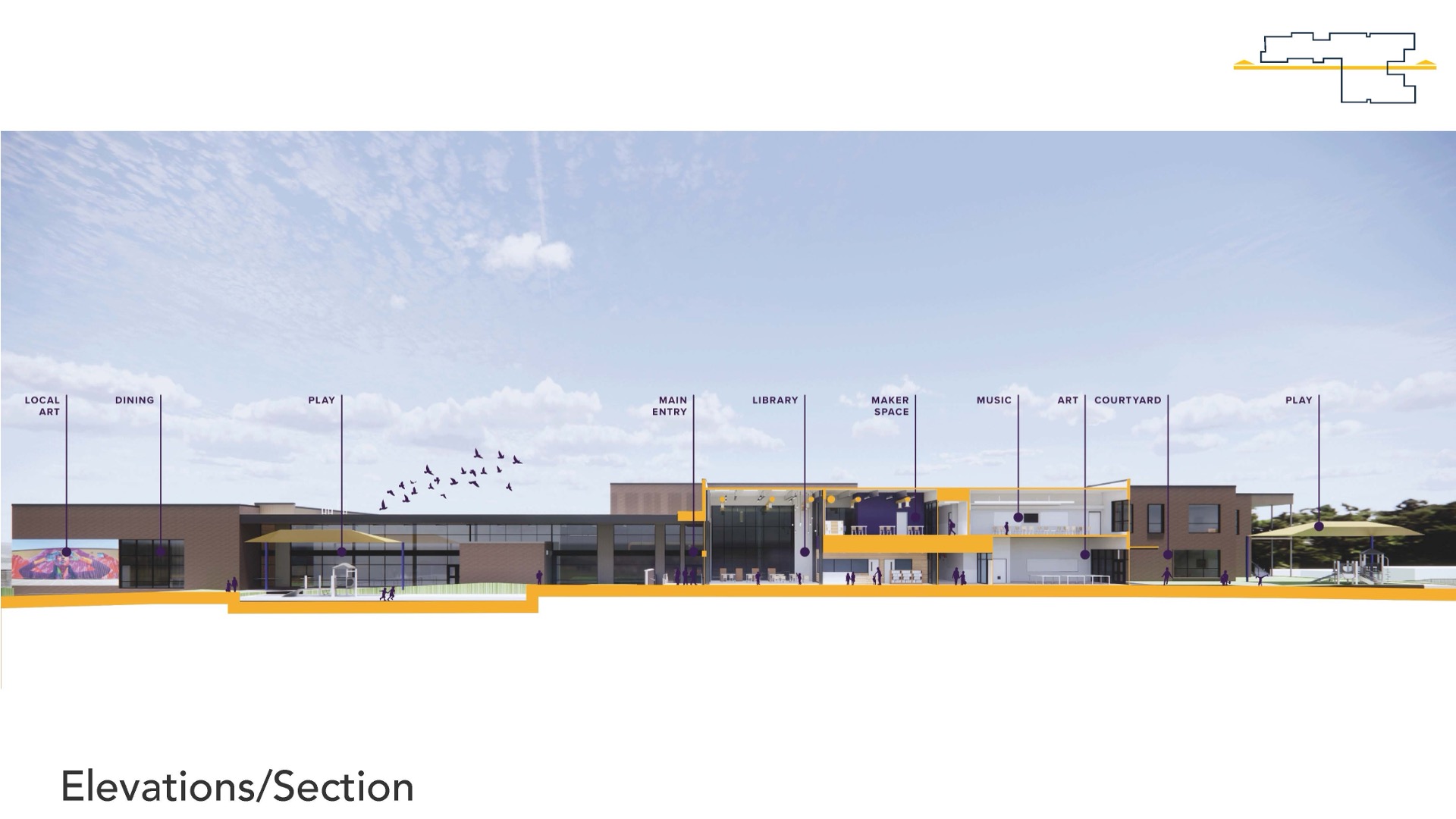
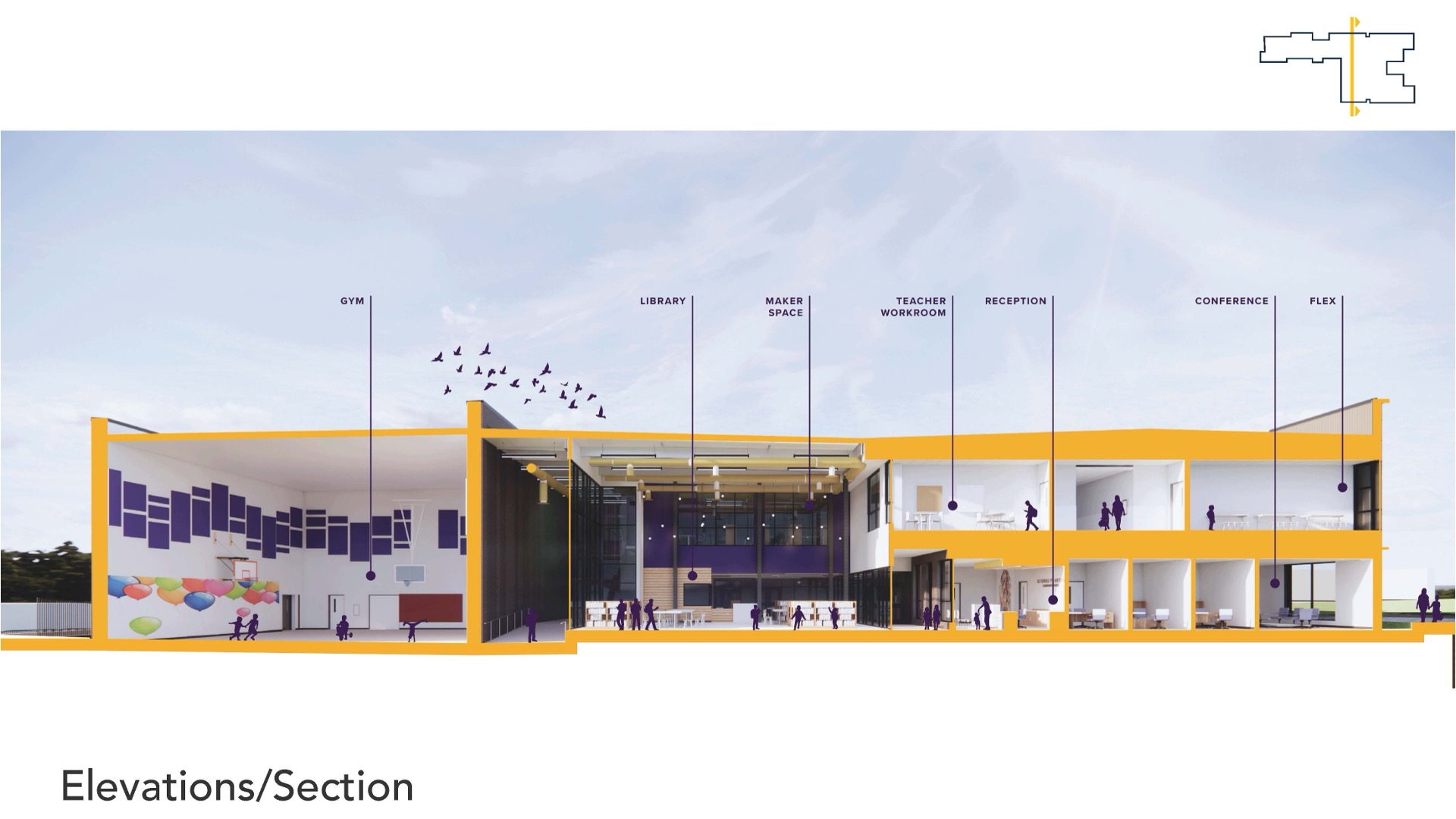
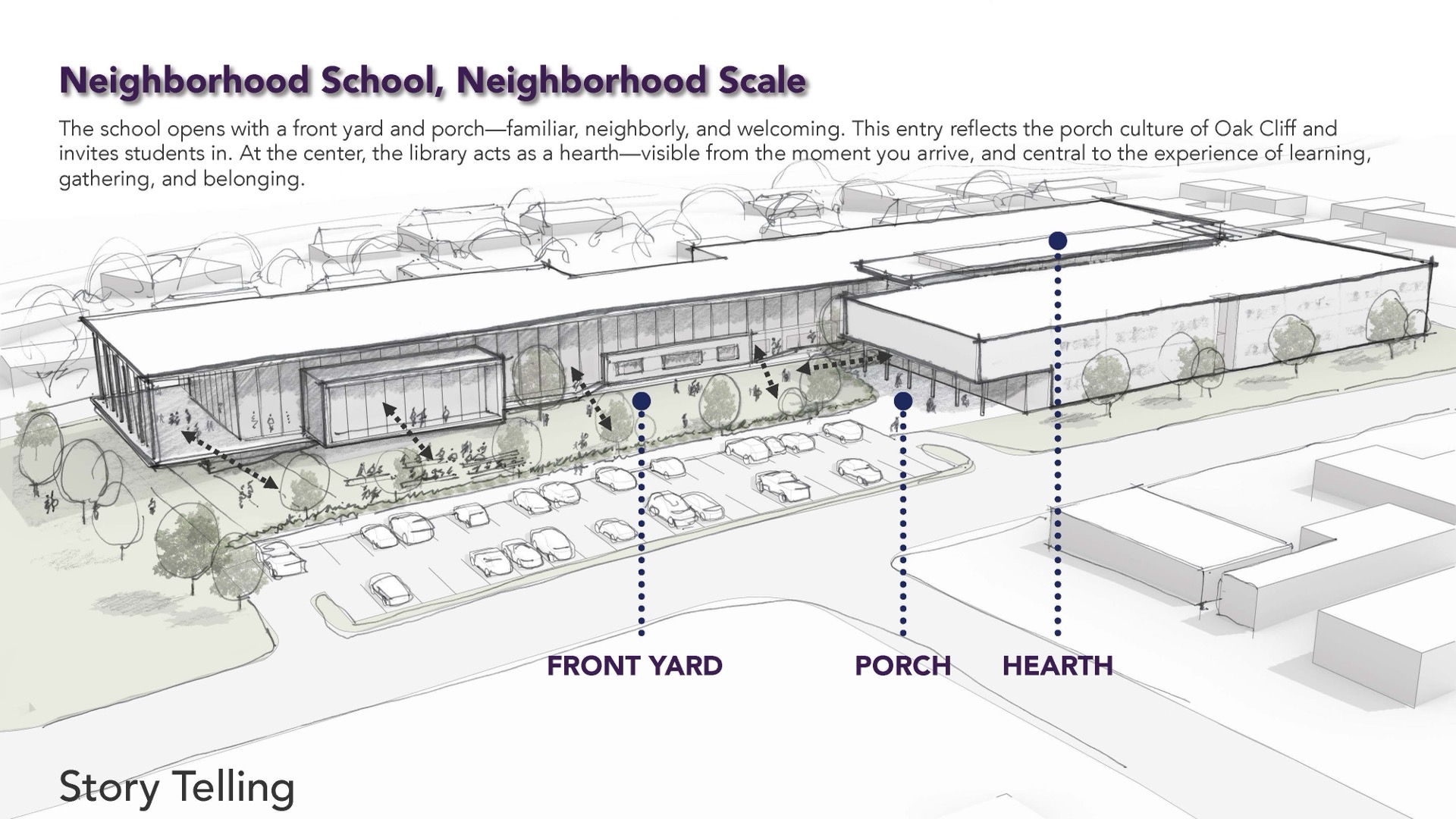
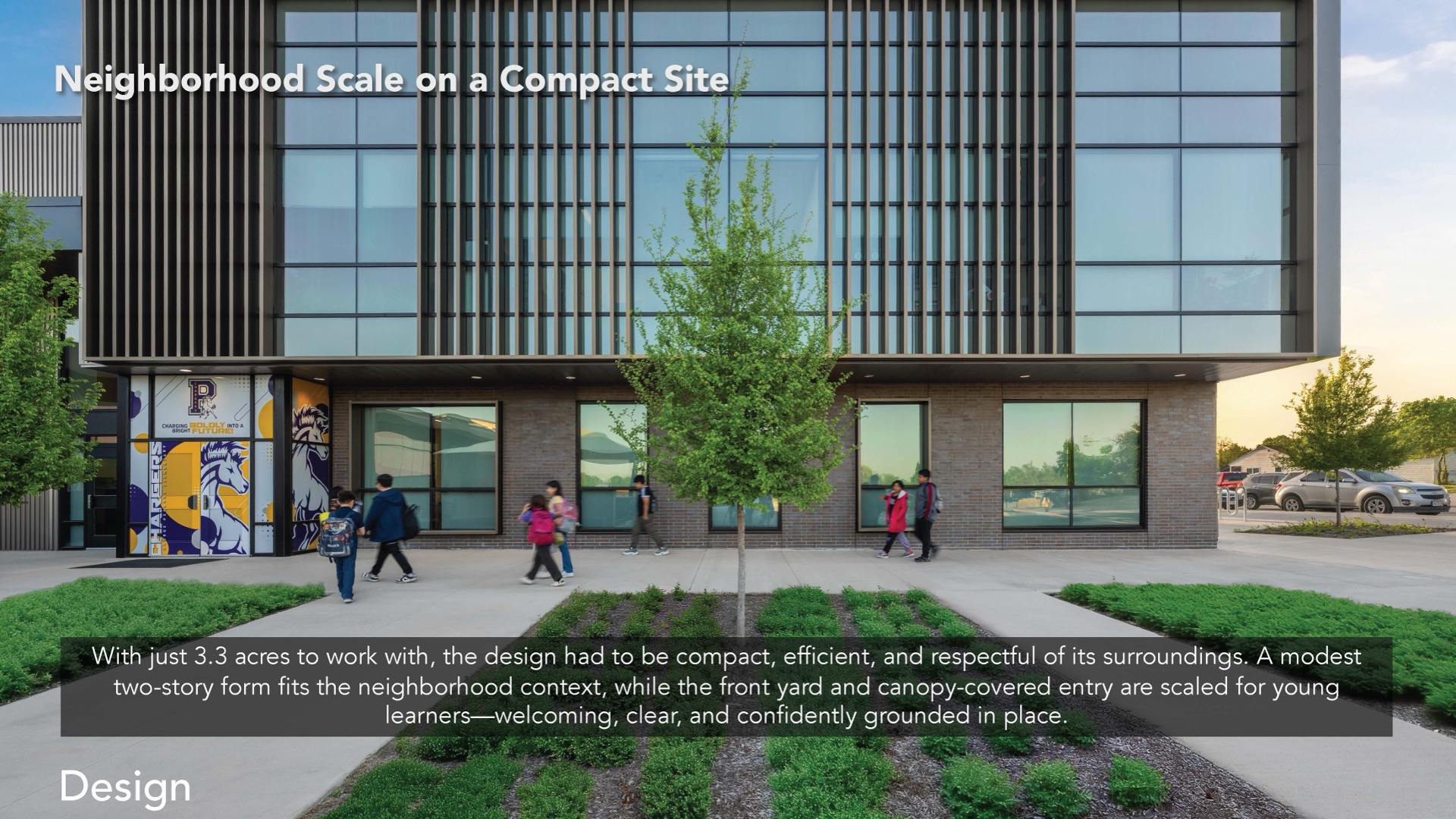
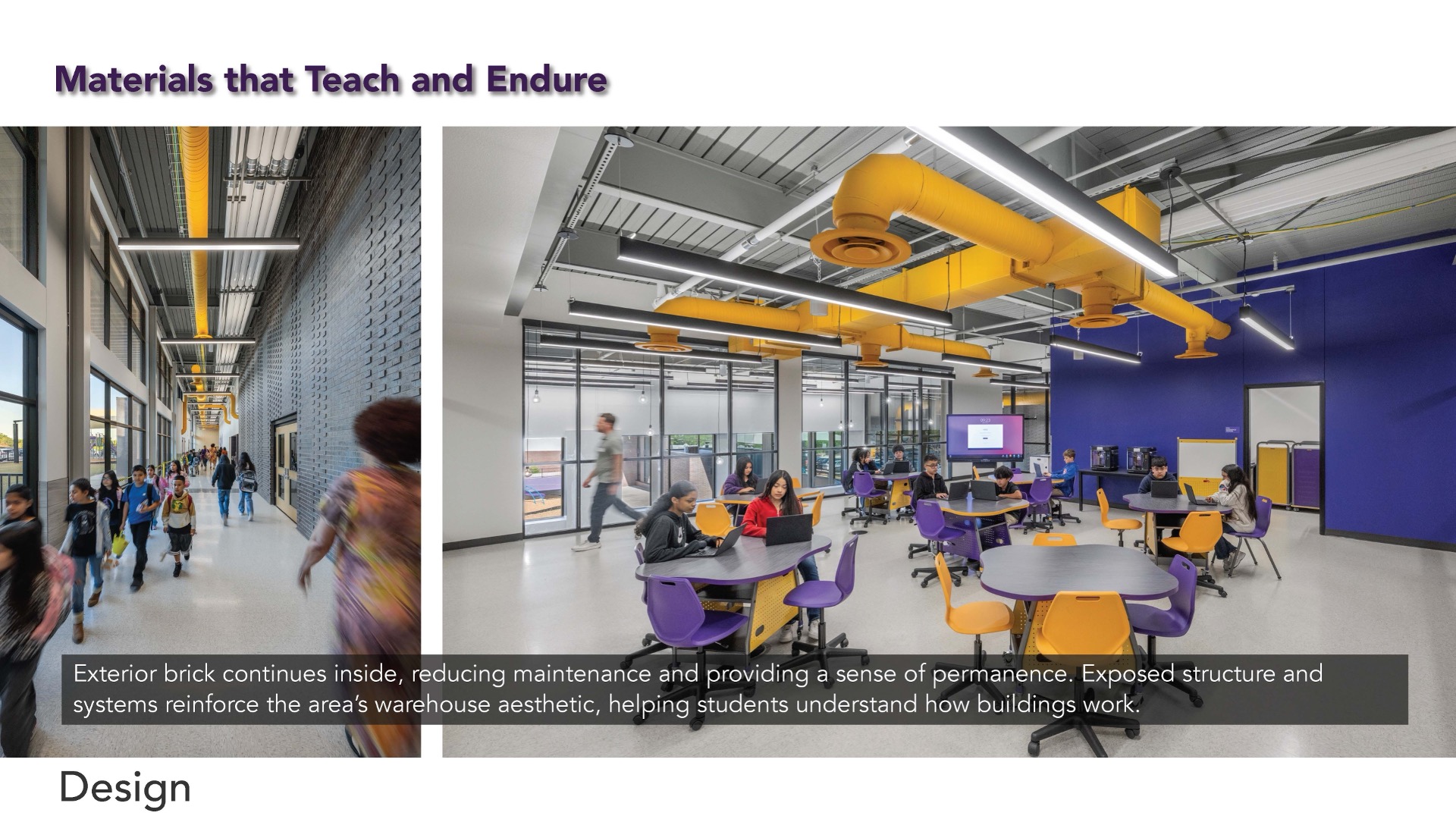
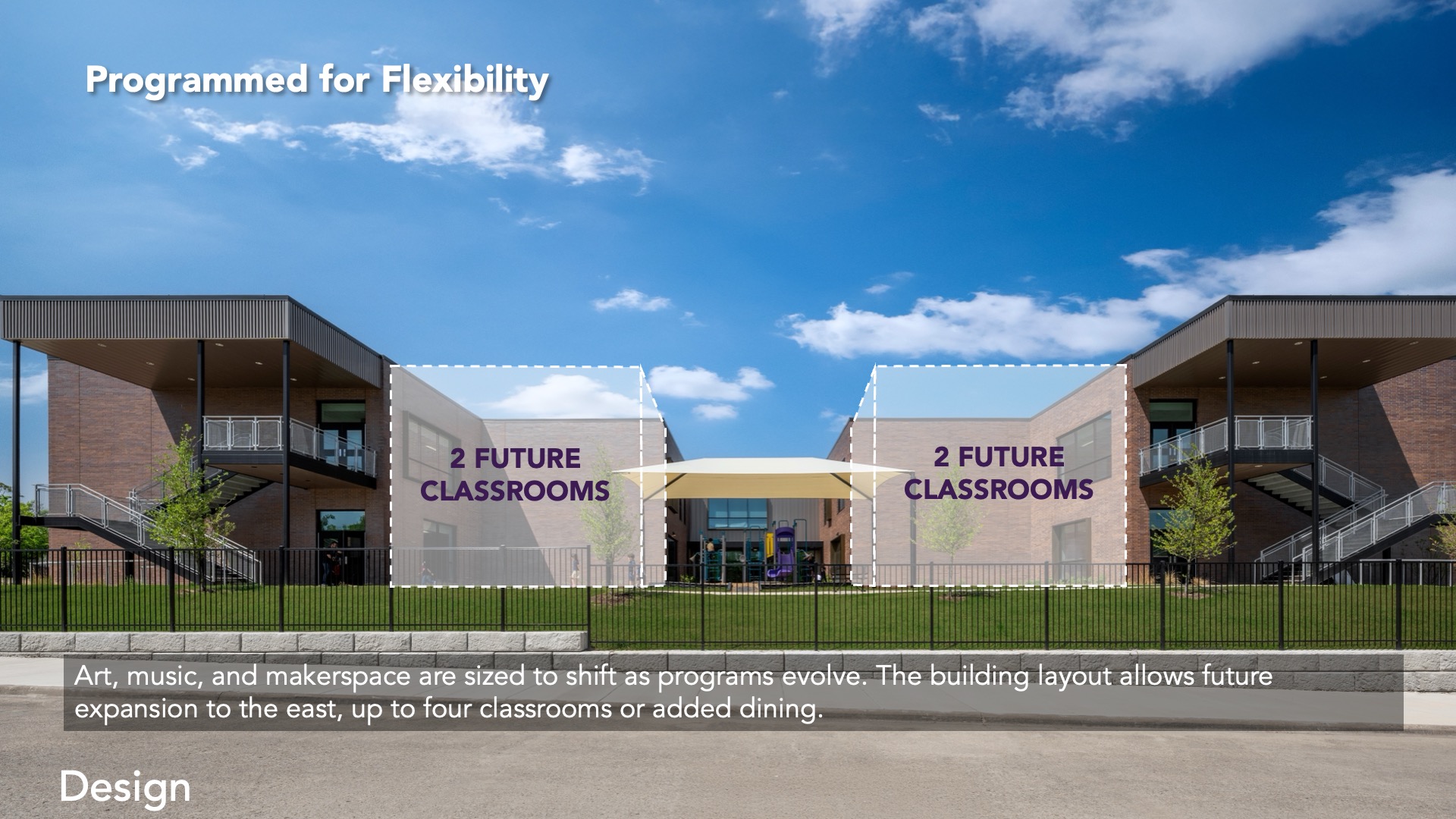
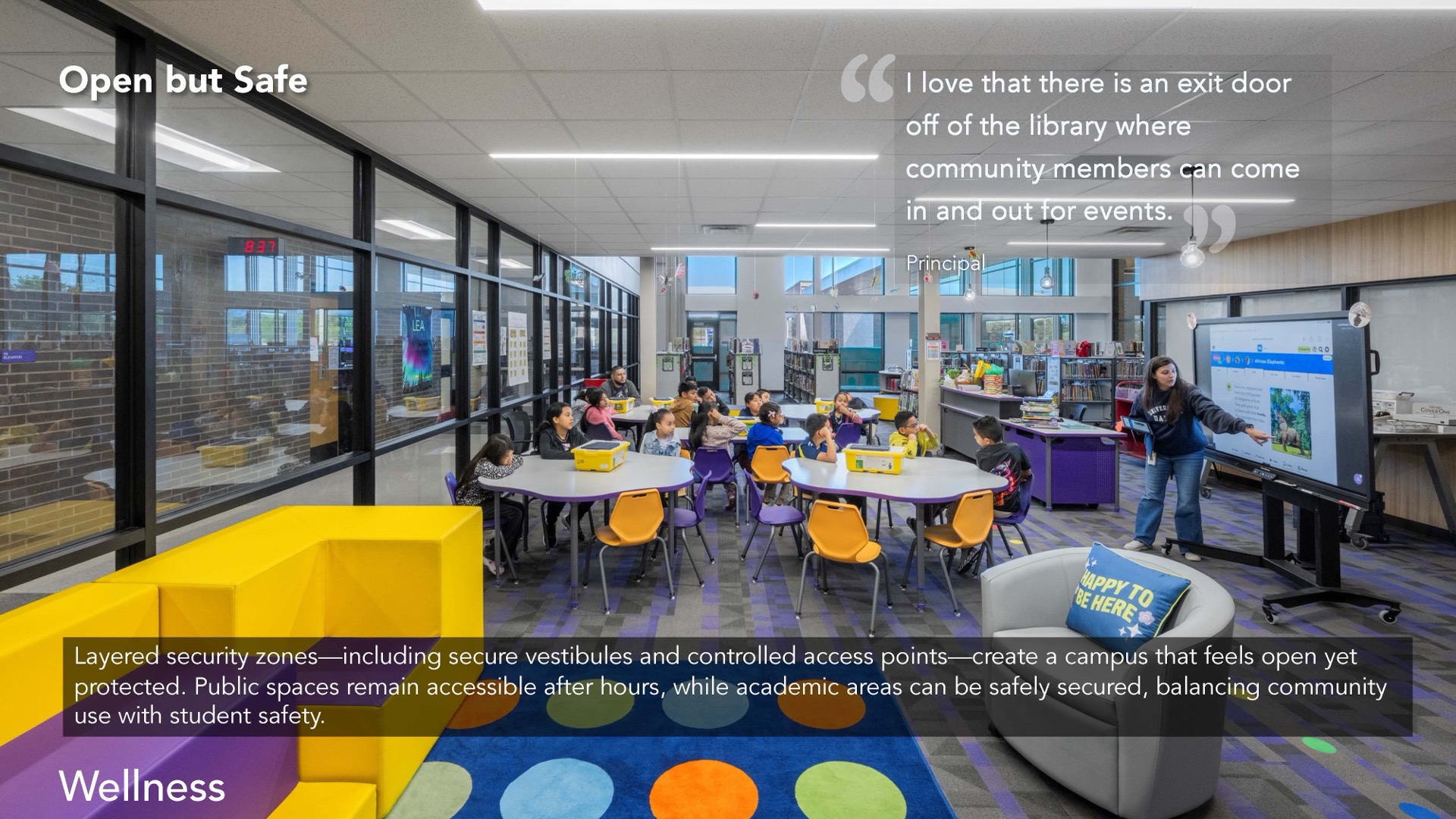
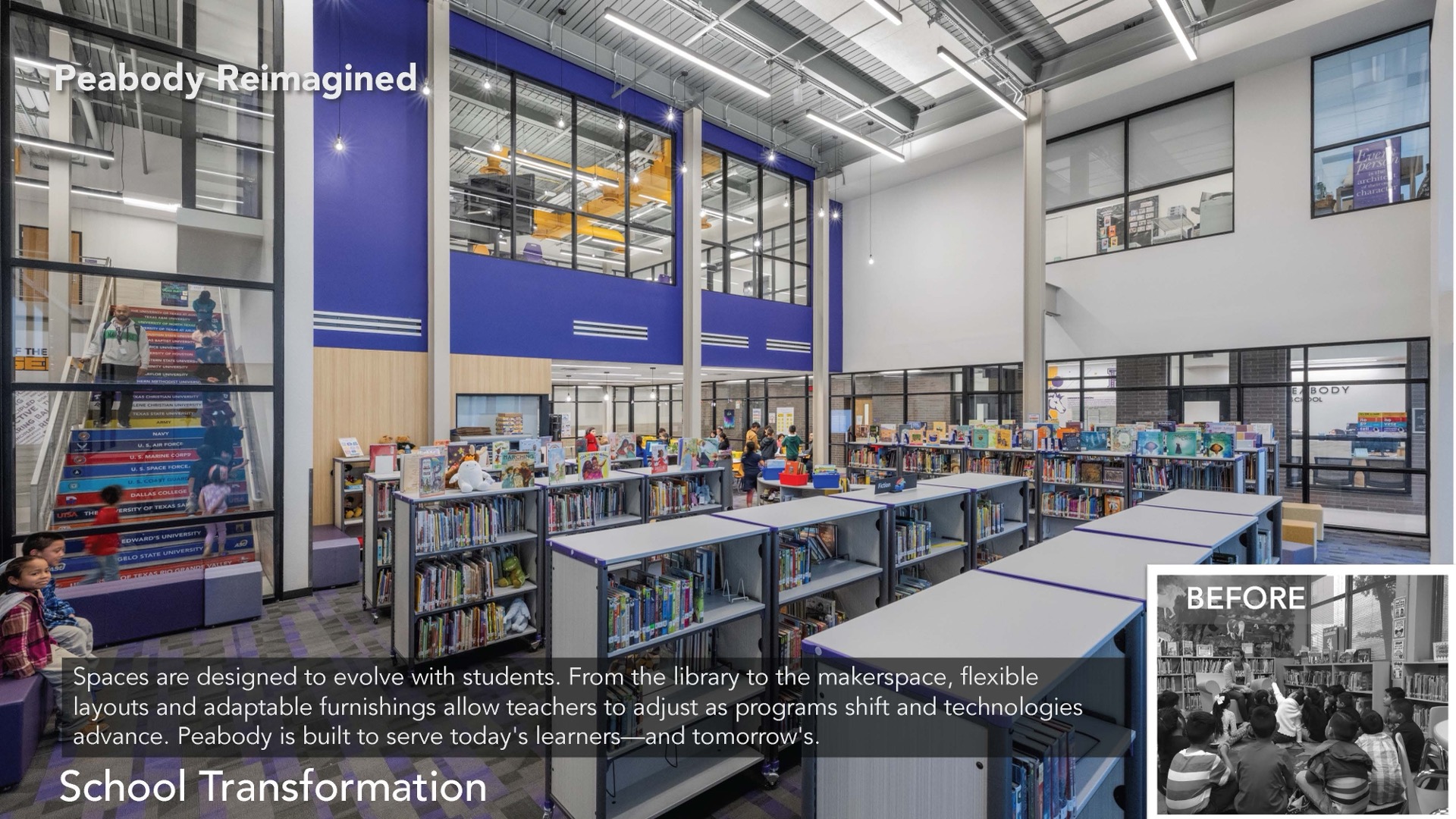
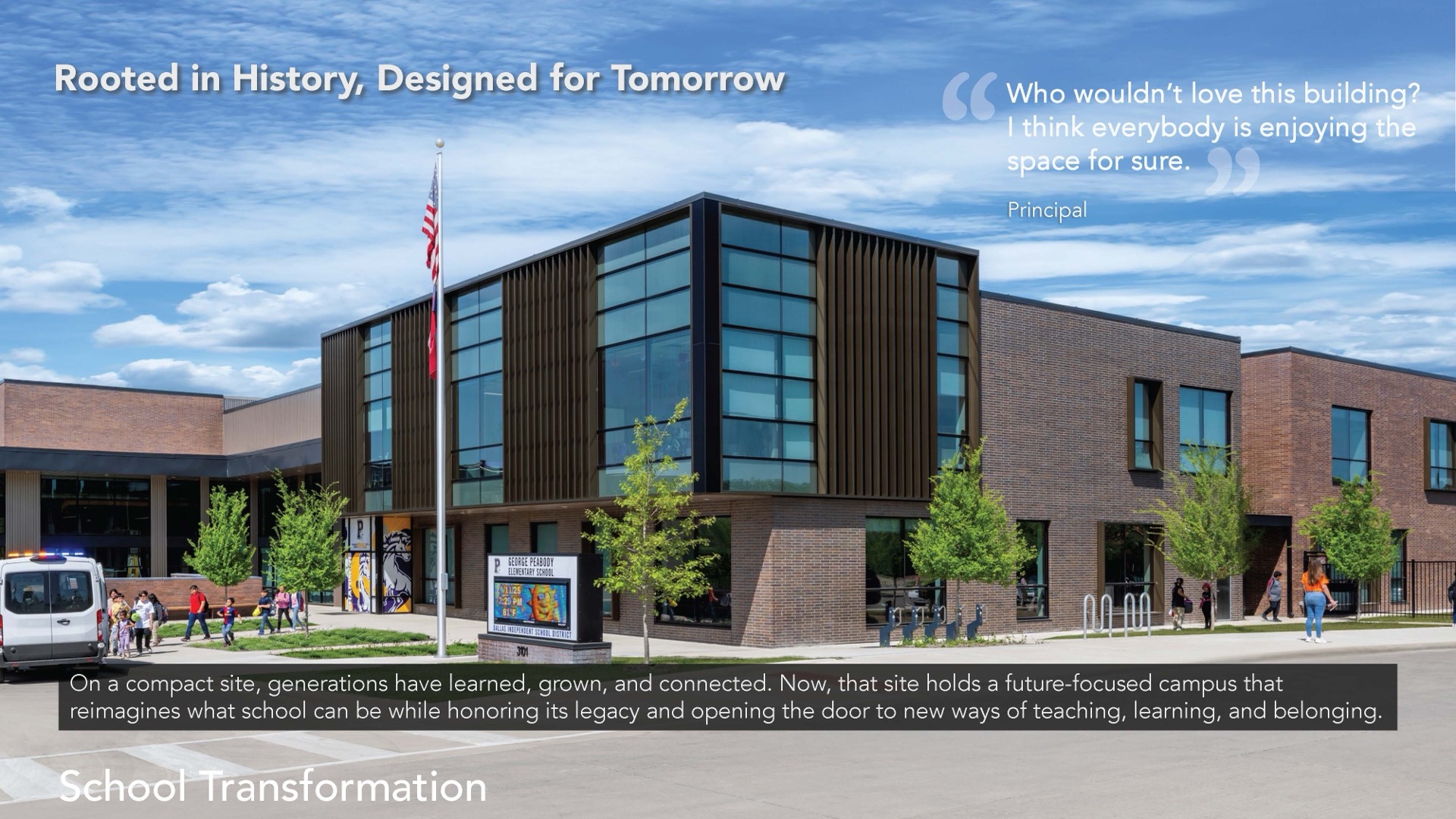
Peabody balances function and neighborhood scale through a compact, two-story design anchored by a visible core of library, art, and makerspace. Academic wings frame outdoor space and allow public areas to be secured after hours. Exposed structure, flexible learning zones, and colorful interiors reflect the area’s creative energy and support long-term adaptability.
 Value
Value
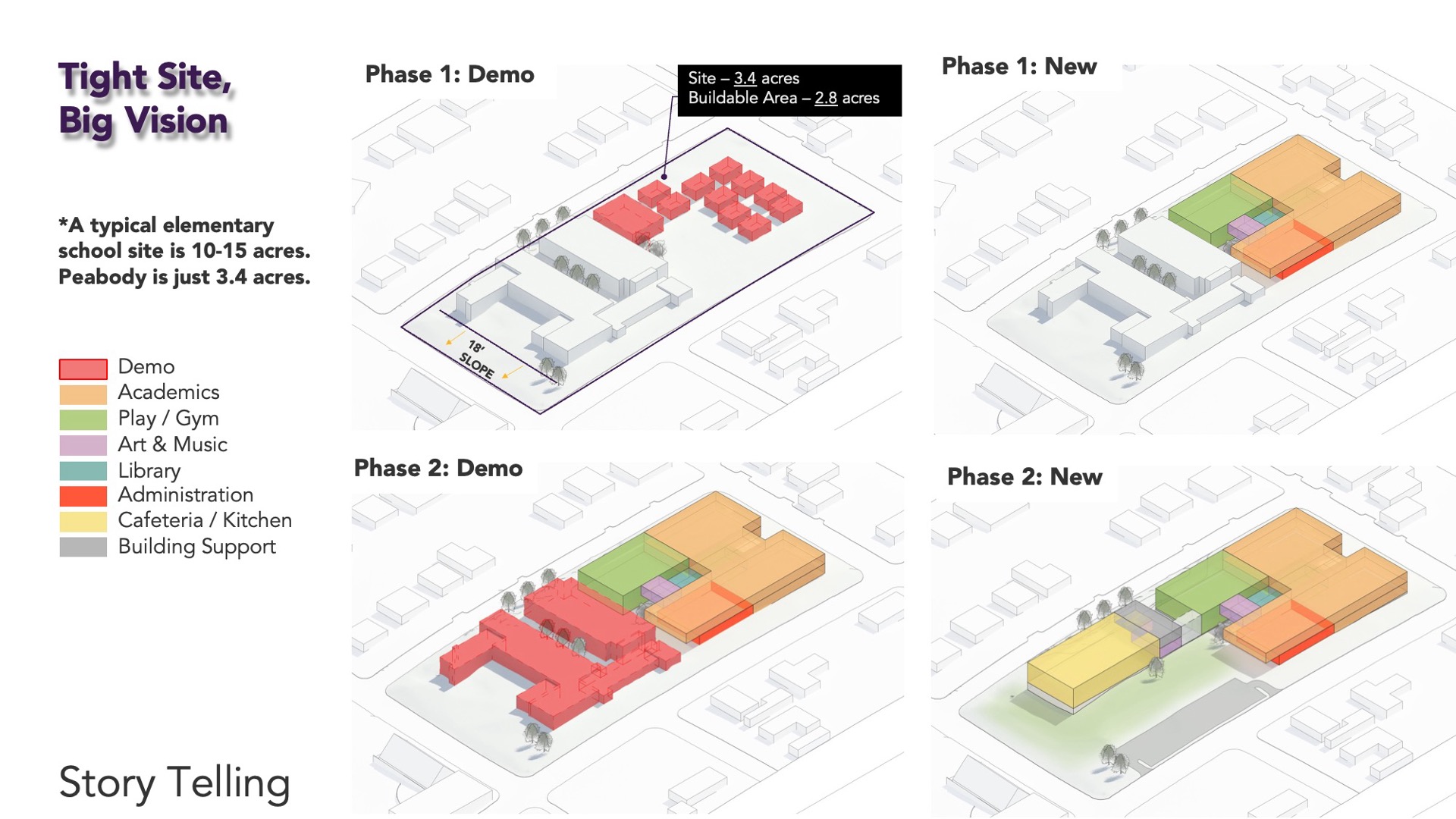
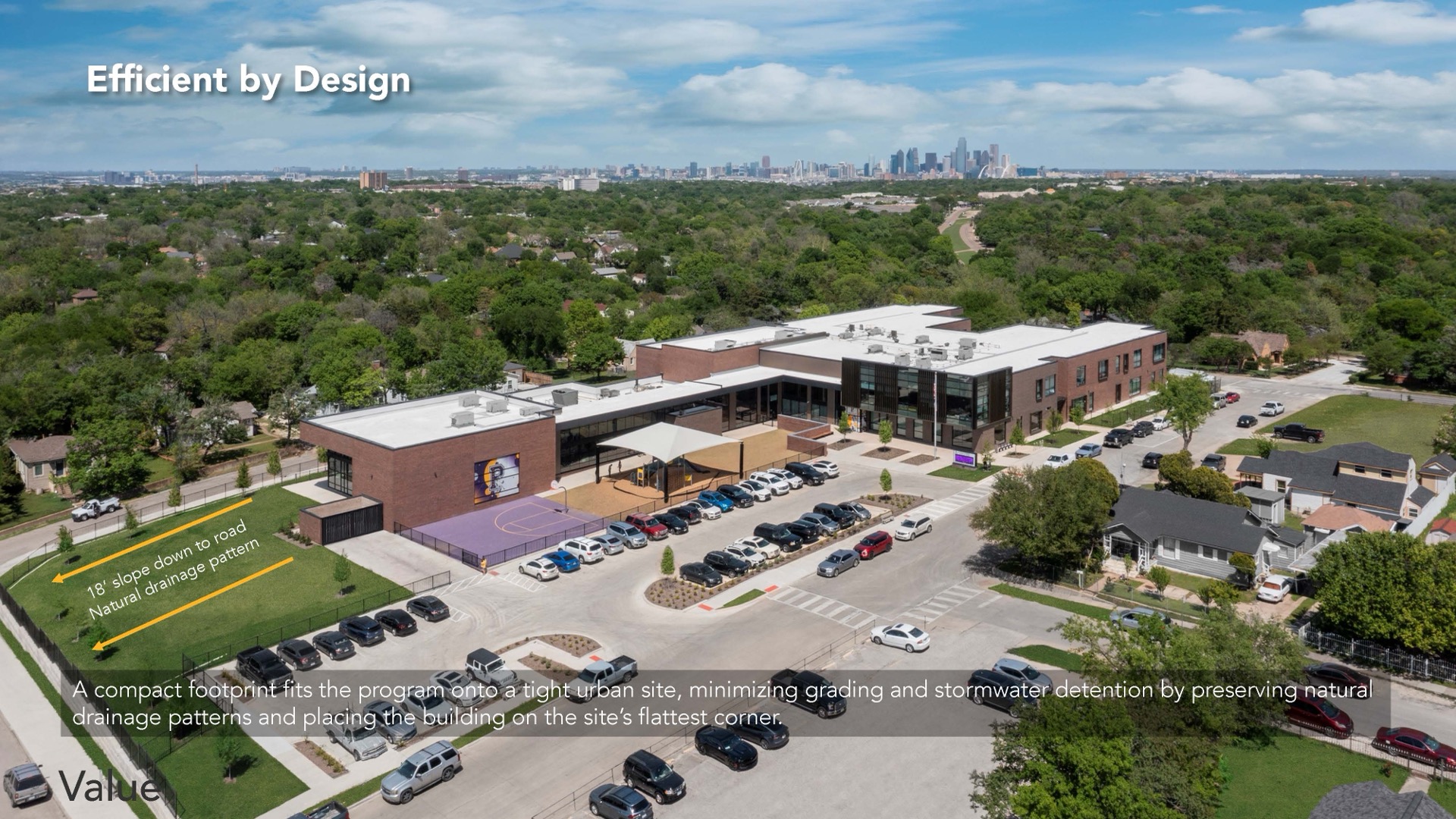
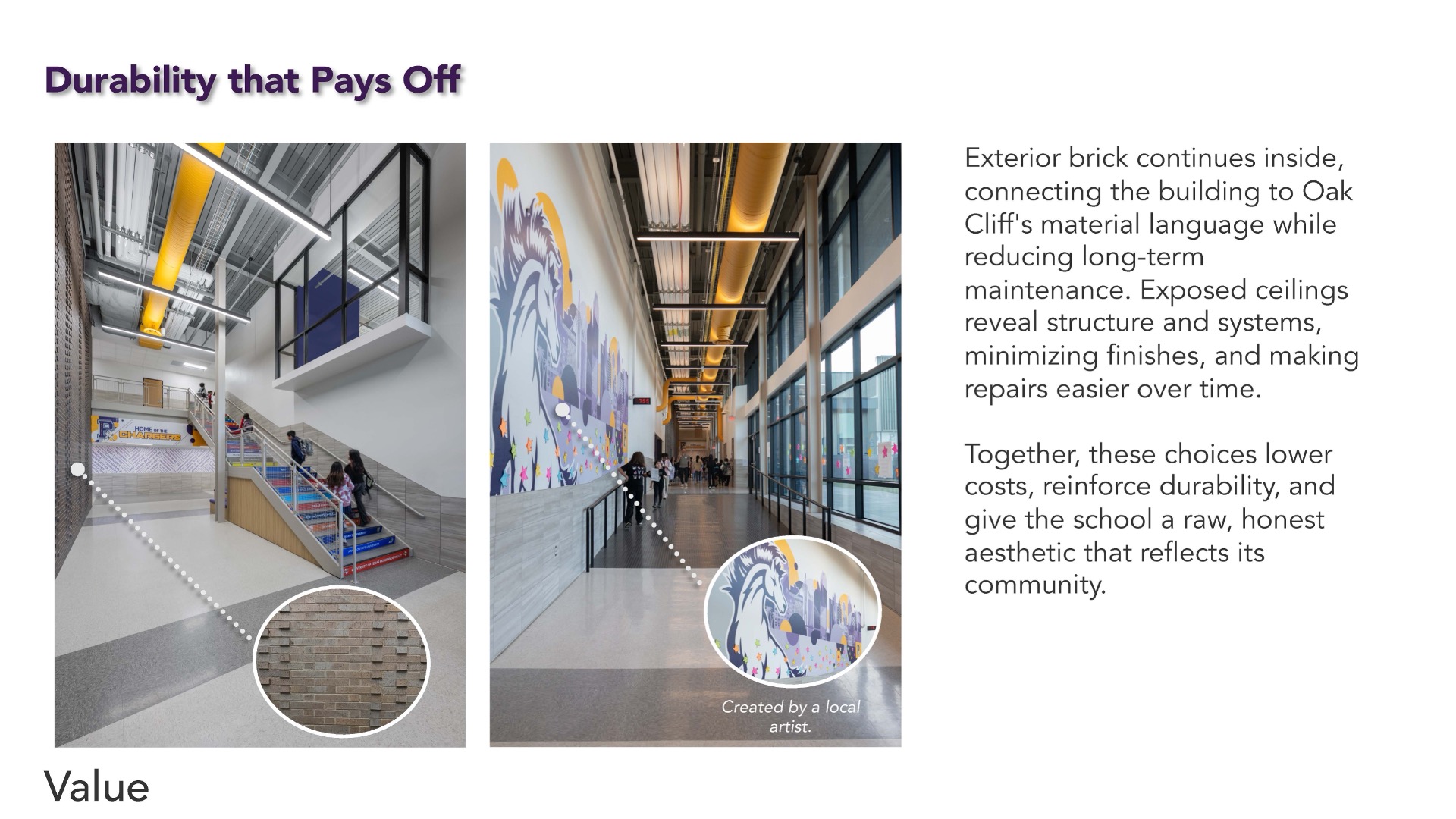
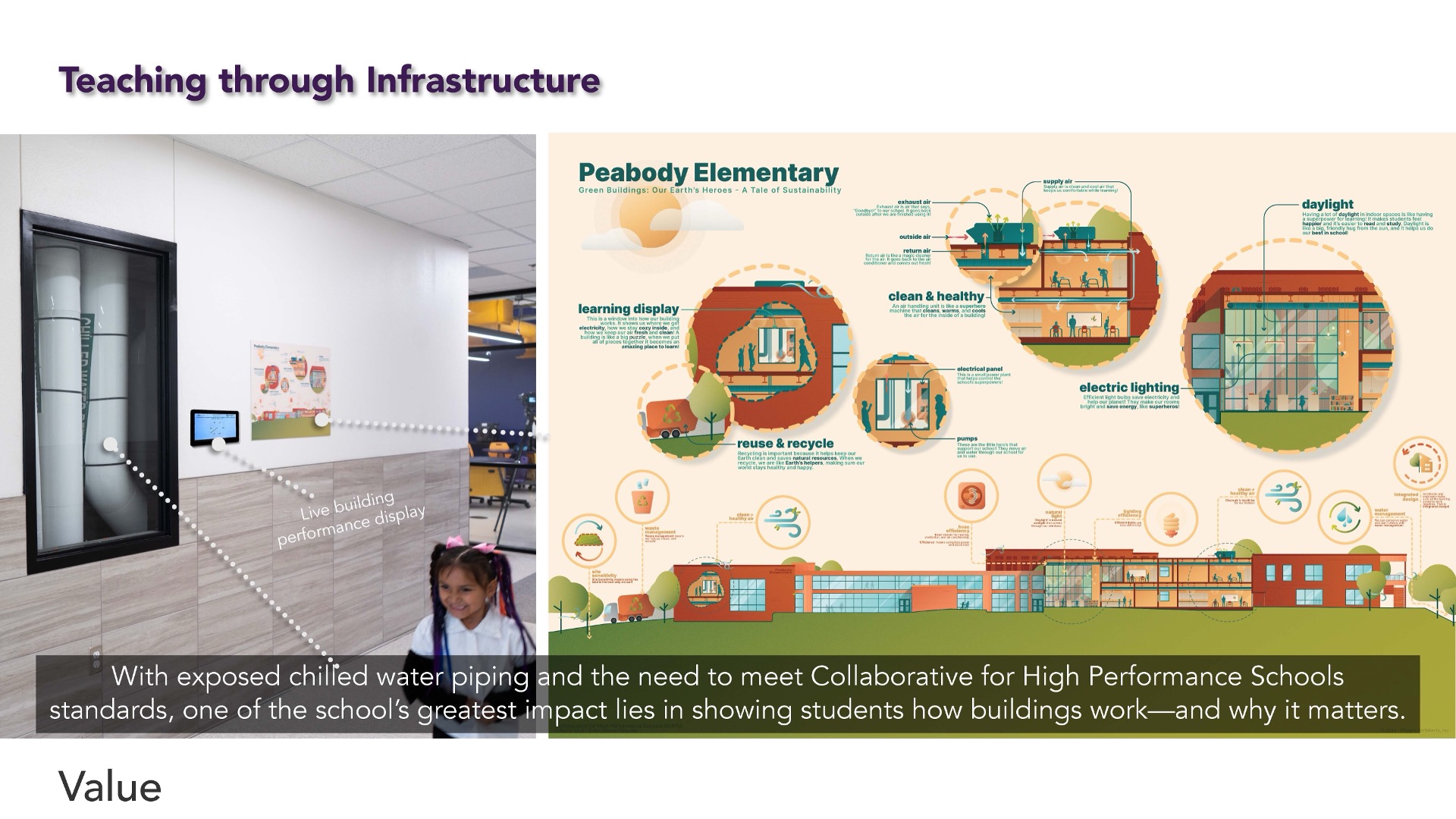
Efficiency began with the footprint: a compact, two-story layout that unlocked flexibility and preserved outdoor space, all while maintaining a neighborhood-friendly scale. Systems aligned with CHPS criteria improve energy performance, reduce costs, and support daylight-rich learning. Durable finishes and exposed systems reduce maintenance, while visible infrastructure turns the building into a teaching tool—blending function, sustainability, and impact.
Wellness
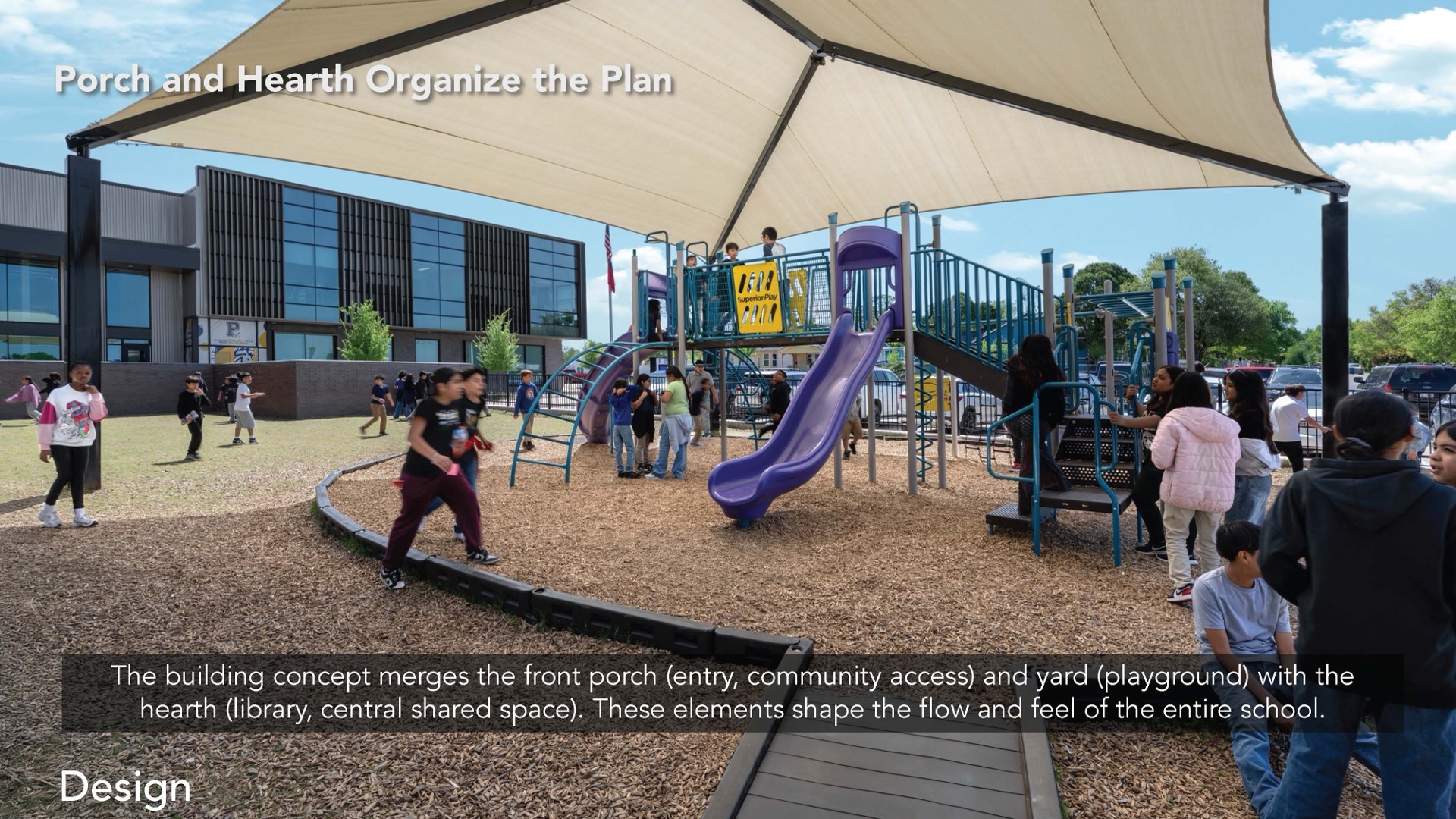
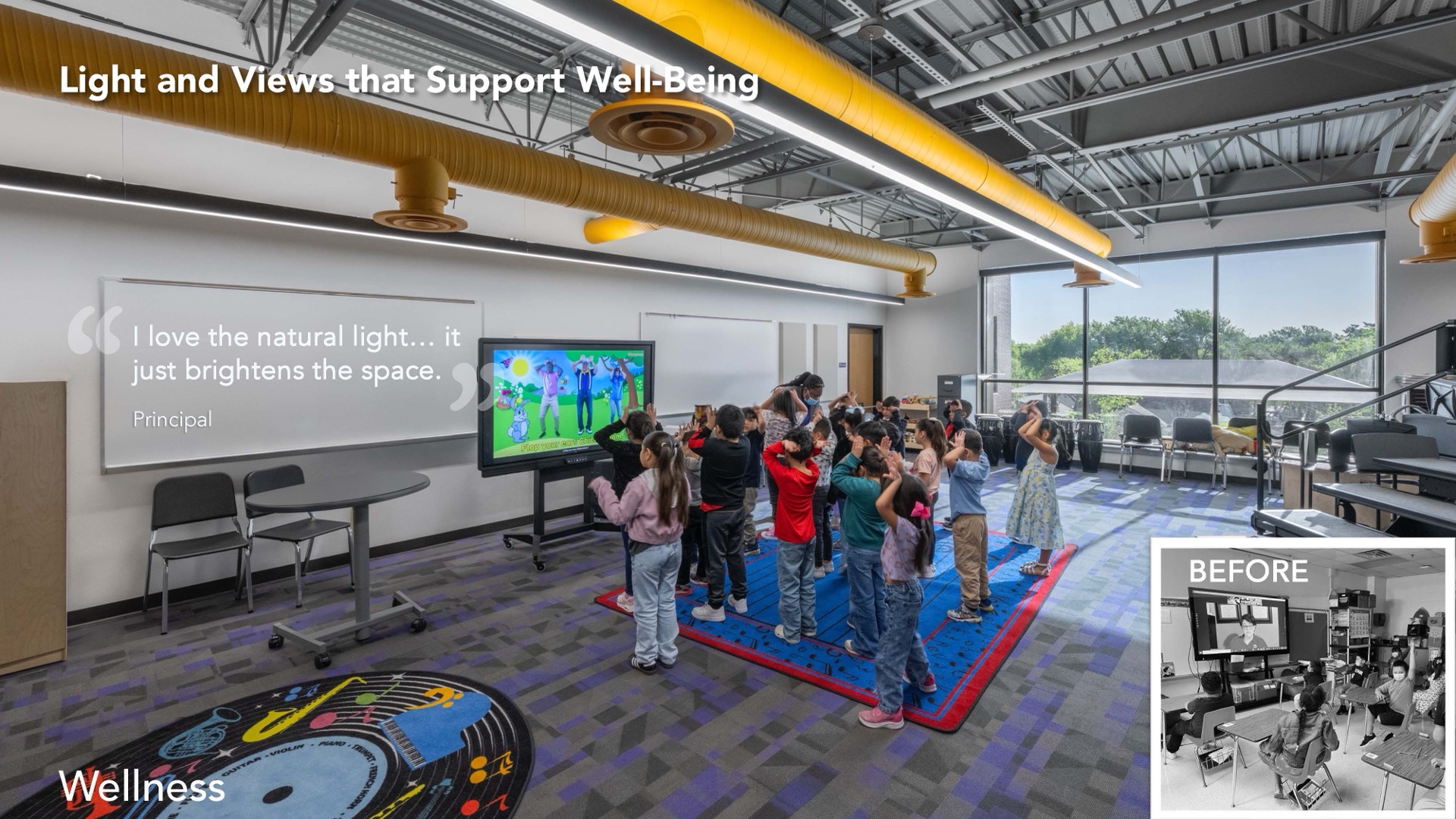
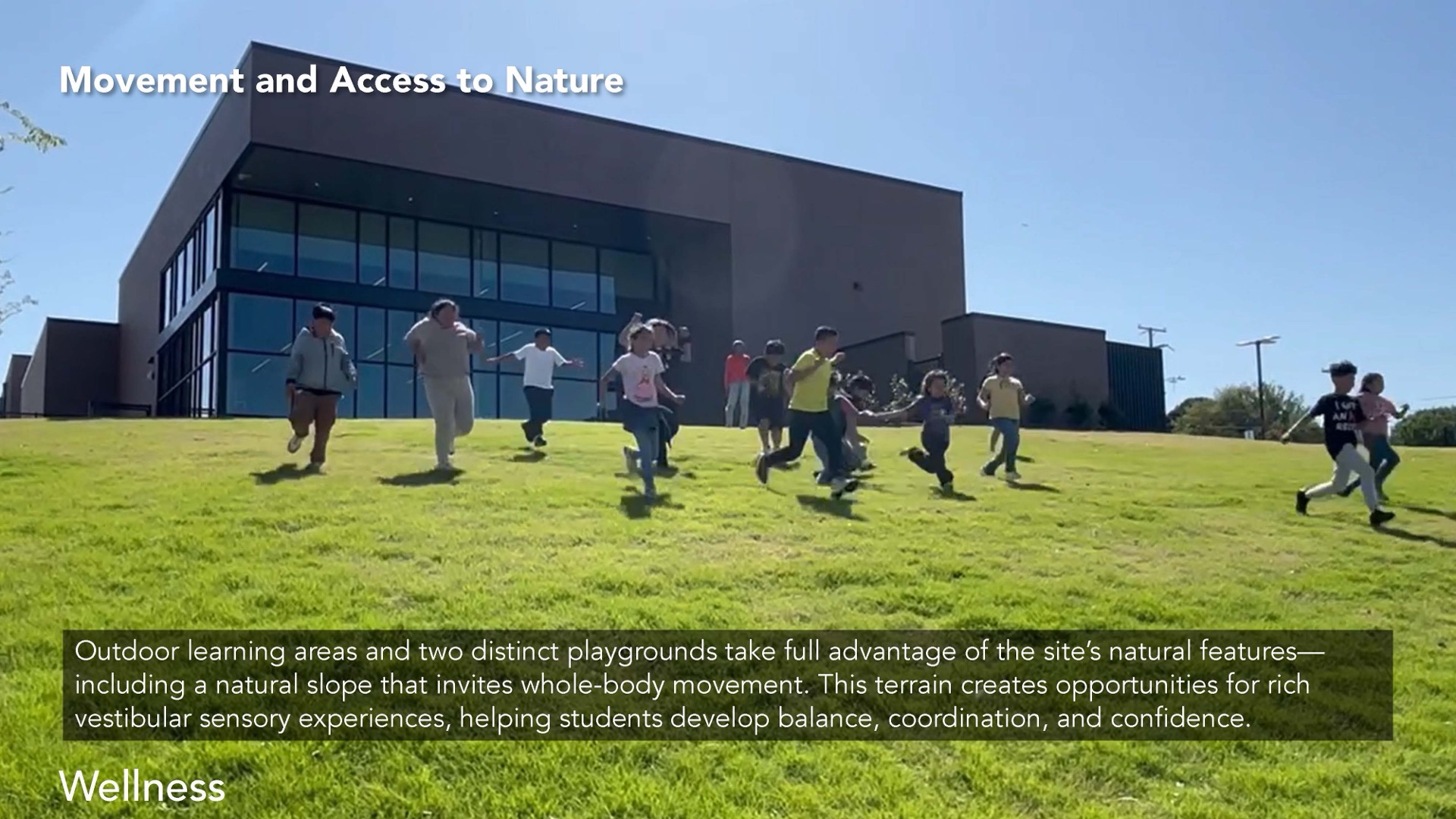
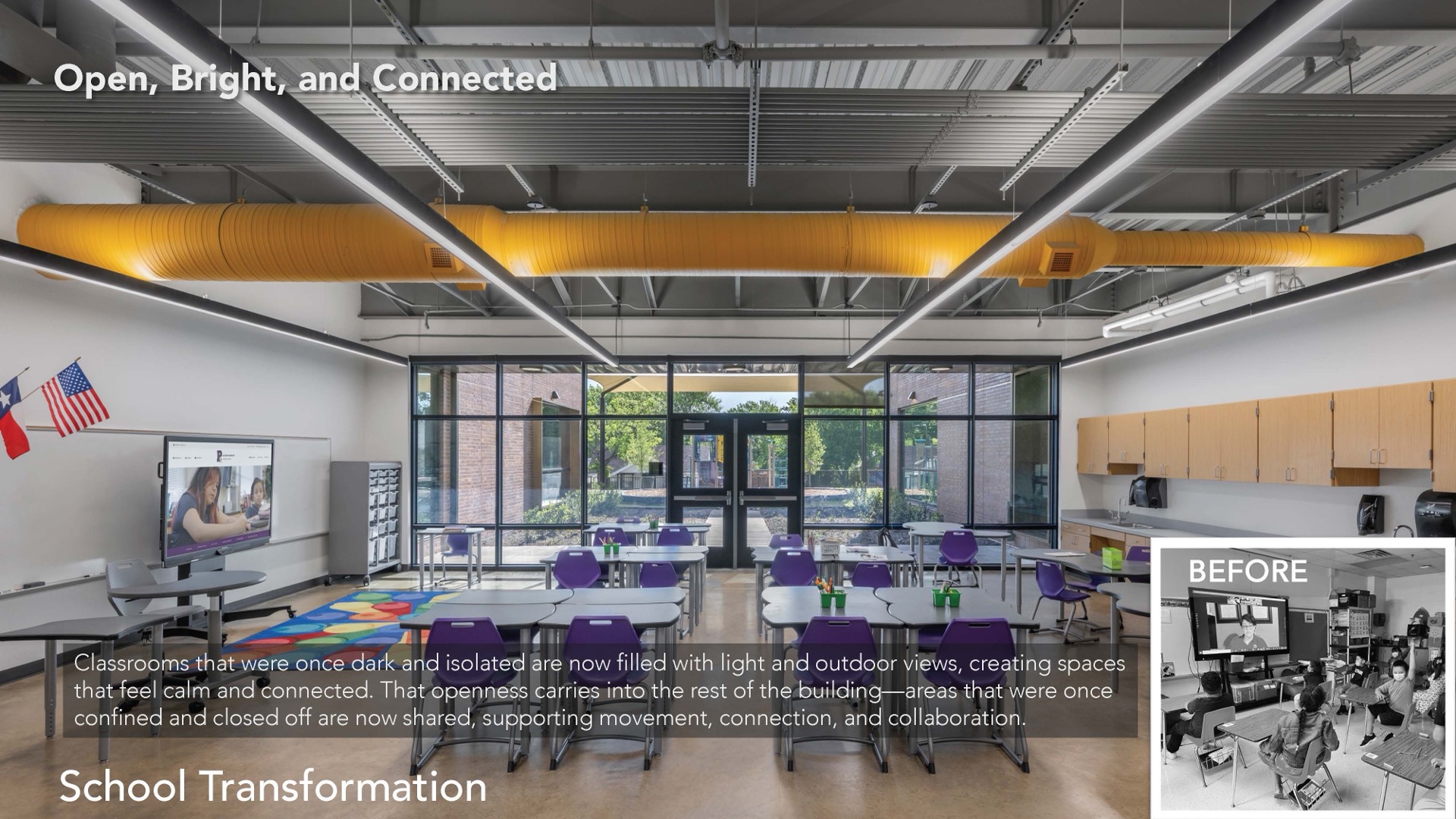
Daylight, nature, and movement are embedded into the learning experience. Classrooms open to tree-lined views and offer full daylight to reduce stress and improve focus. Outdoor learning areas are directly accessible, supporting curiosity and calm. Transparent interiors reveal electives like art and library, helping students discover new interests.
Community
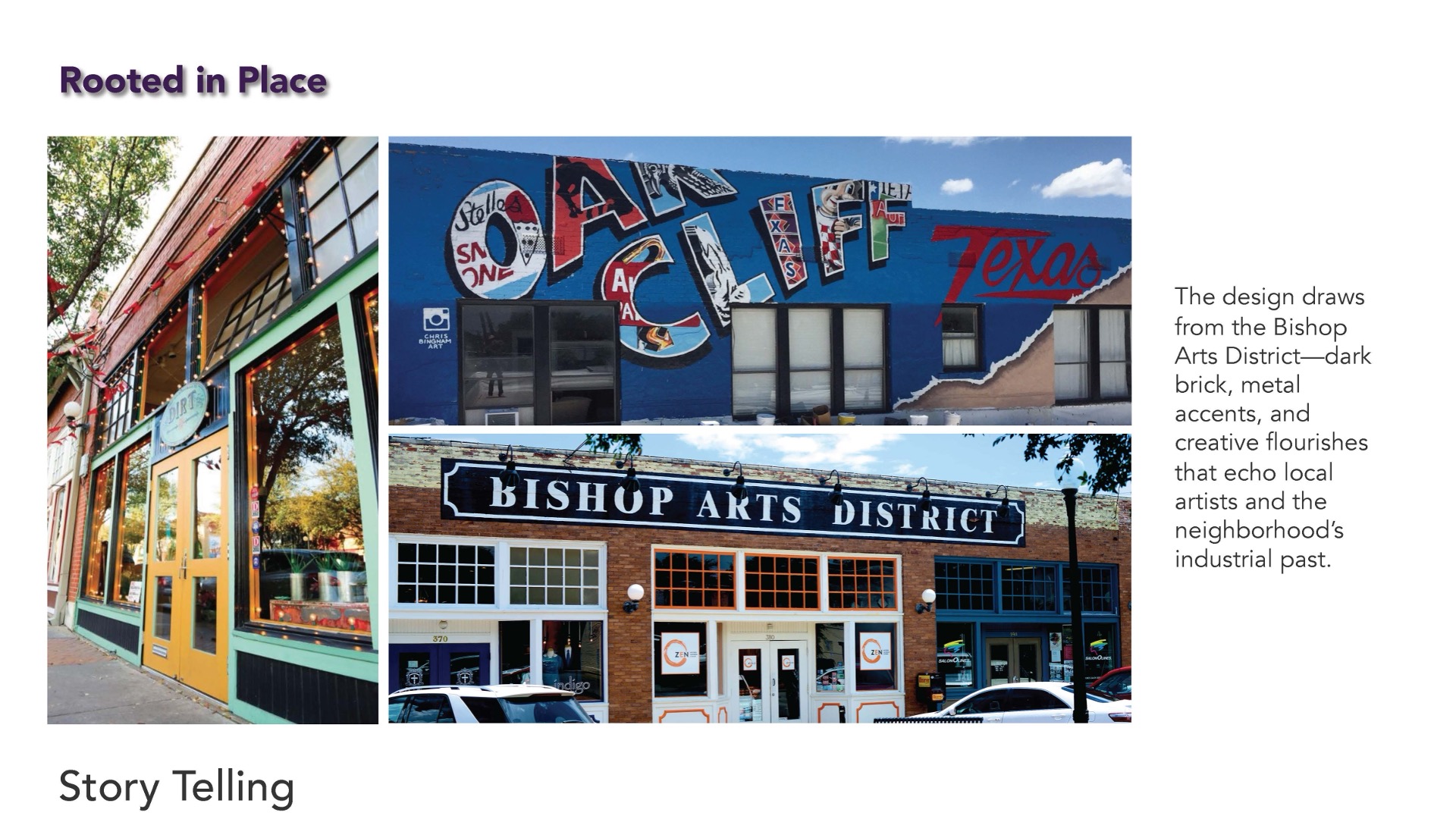
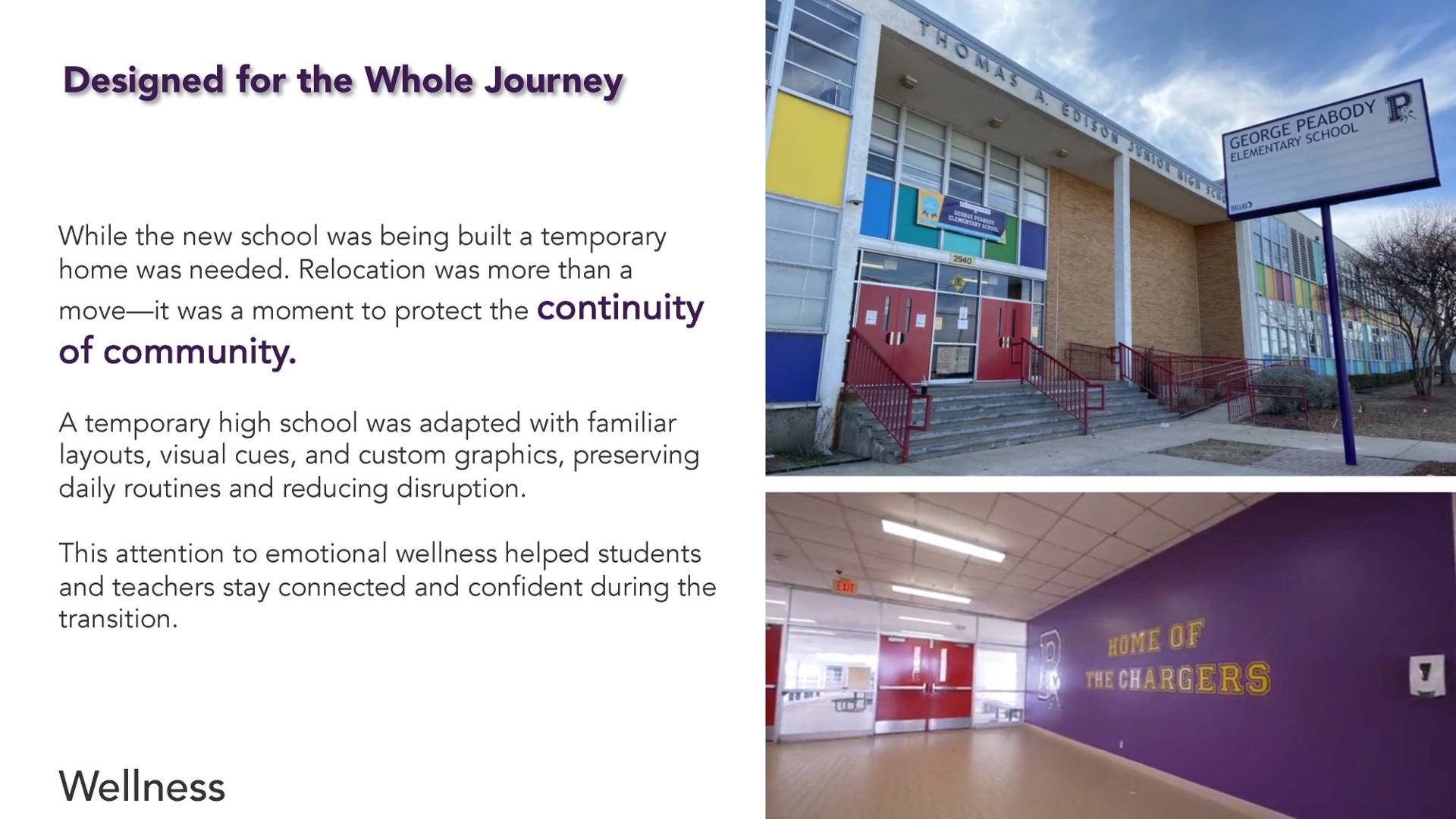
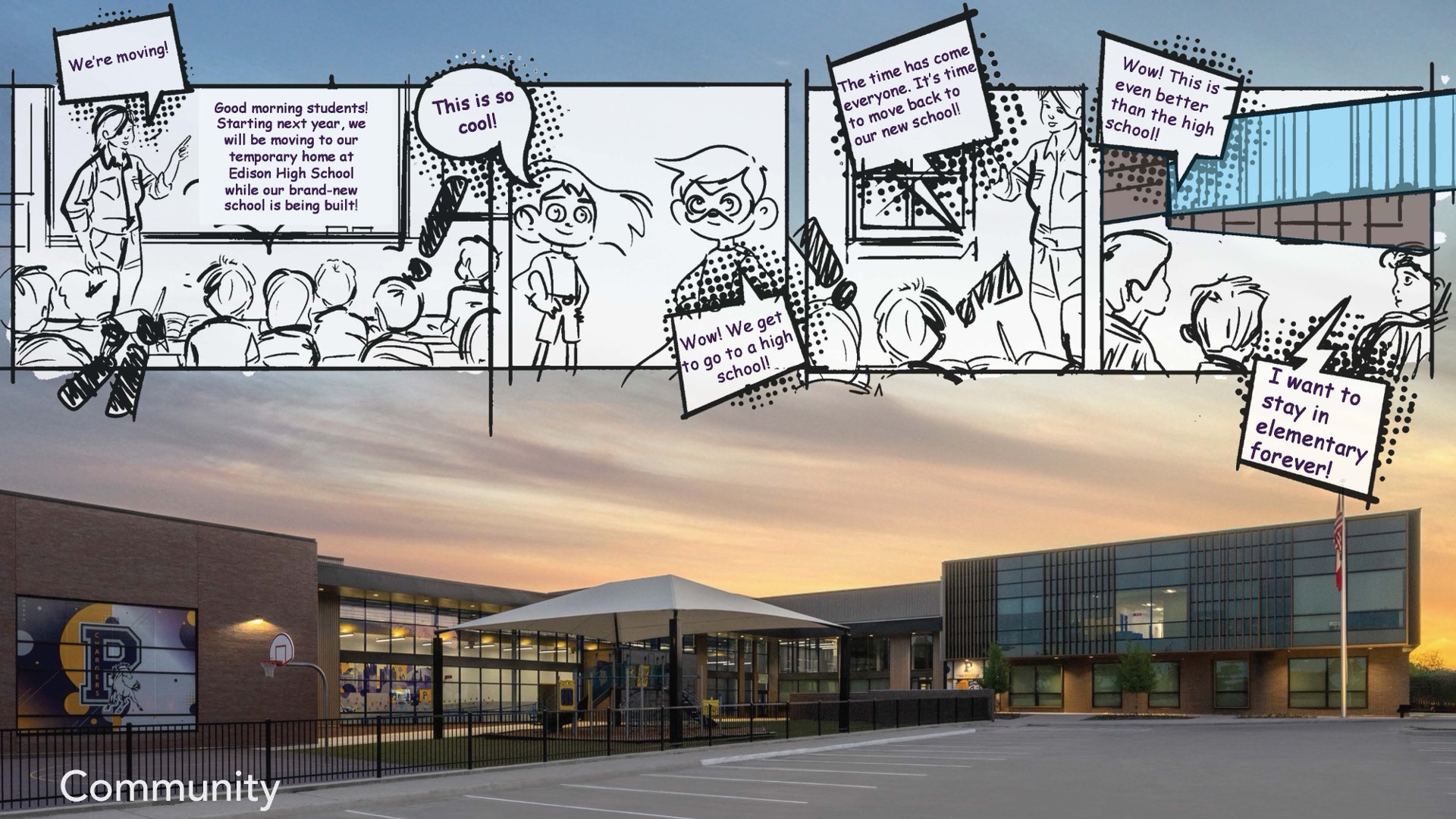
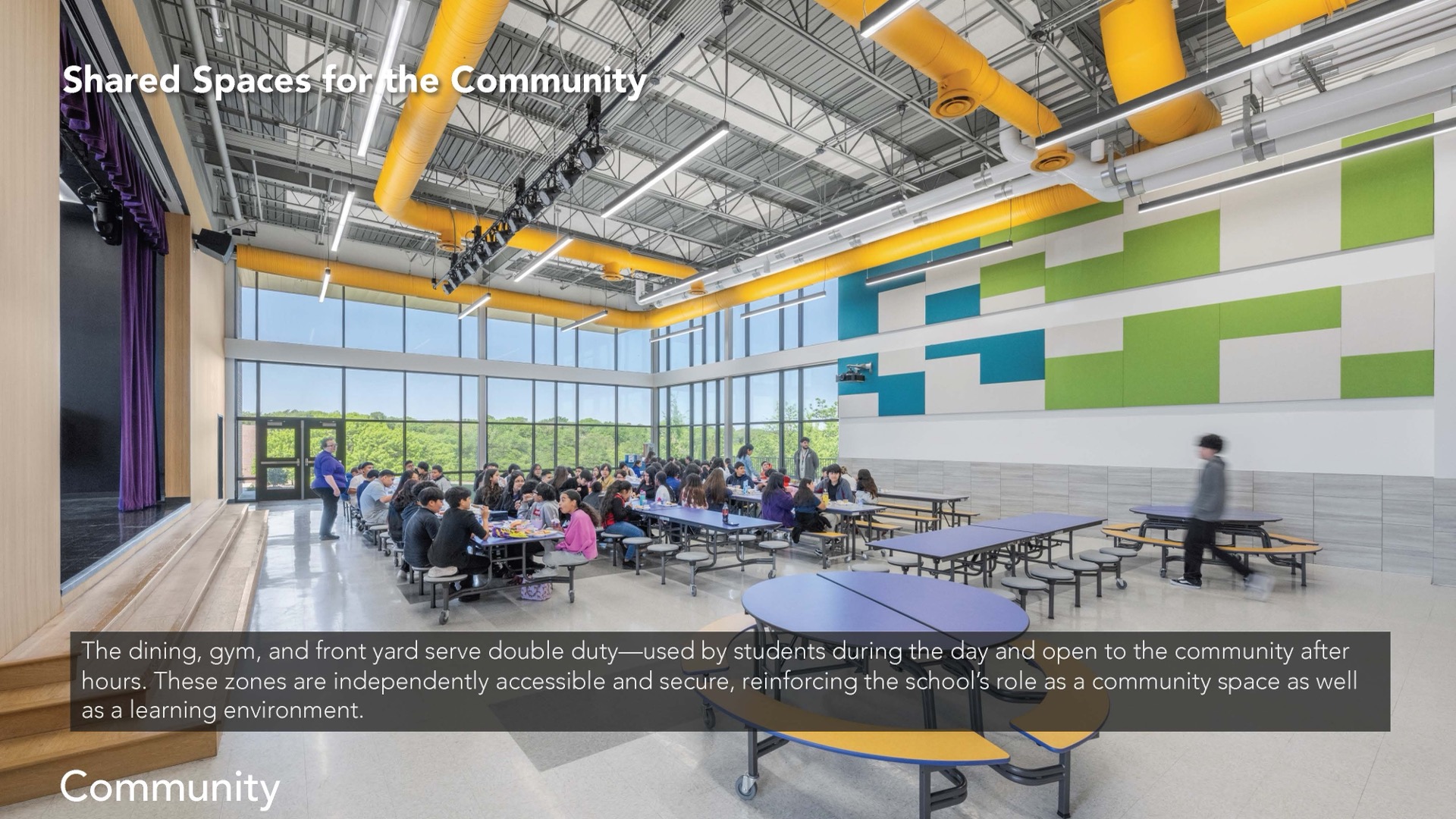
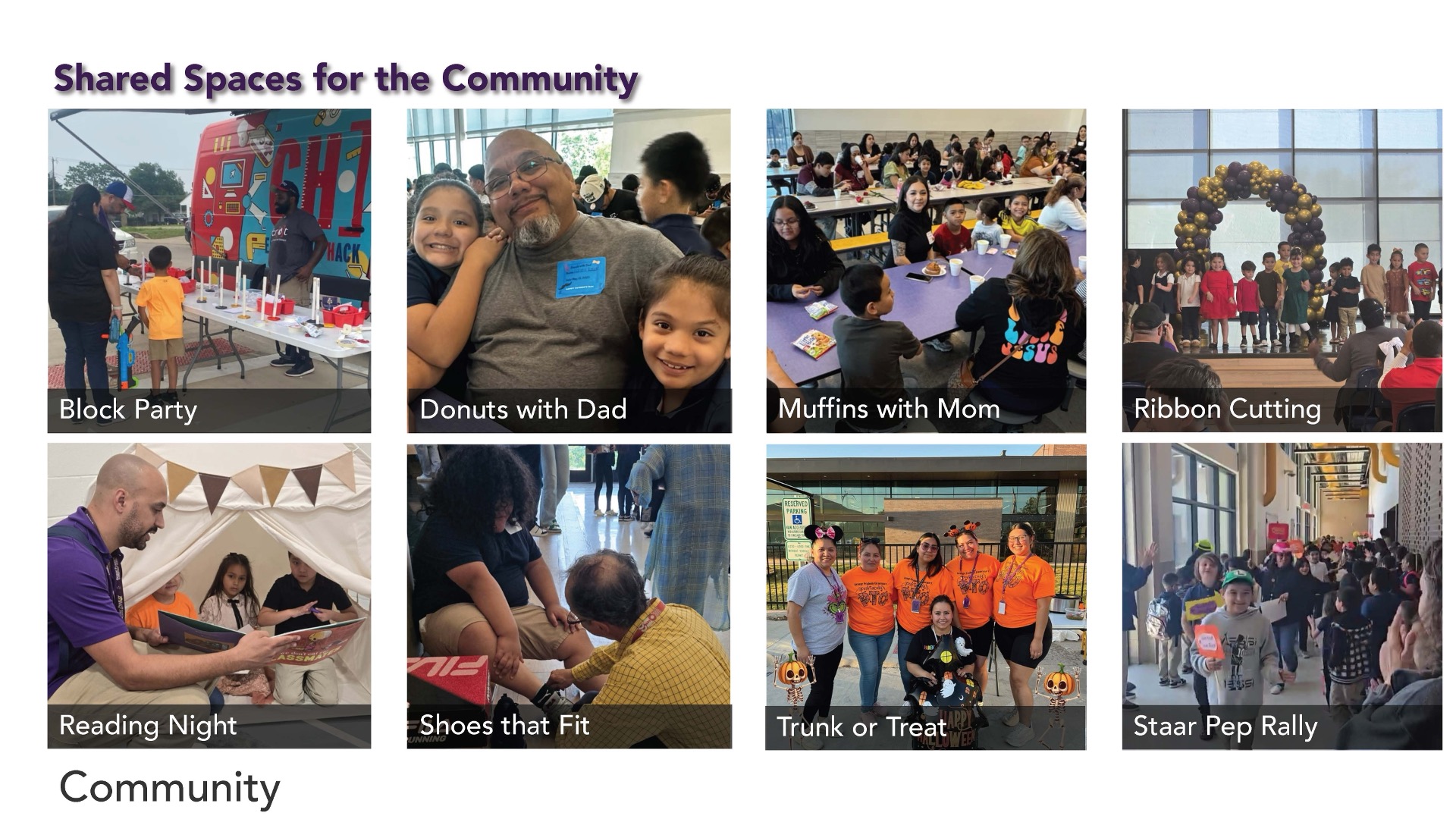
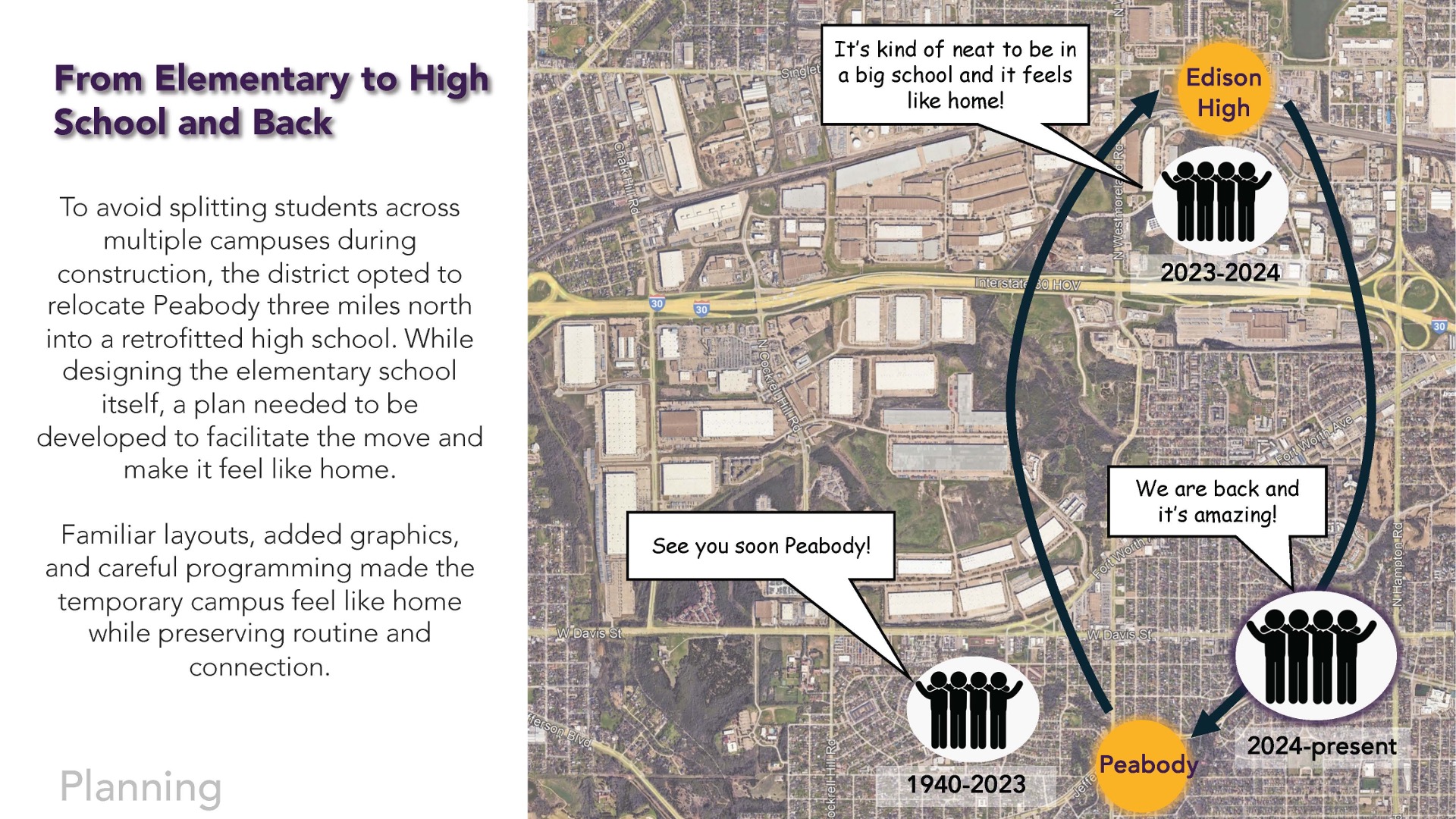
Peabody was thoughtfully designed to reflect its neighborhood, strengthen community ties, and keep students connected, not just in spirit but in practice. During construction, the district chose to repurpose an unused high school so students could remain together rather than scattering them across other campuses. That commitment to unity carries into the school’s design, embracing its Oak Cliff setting with locally inspired materials, welcoming spaces, and a layout that invites the community.
Planning
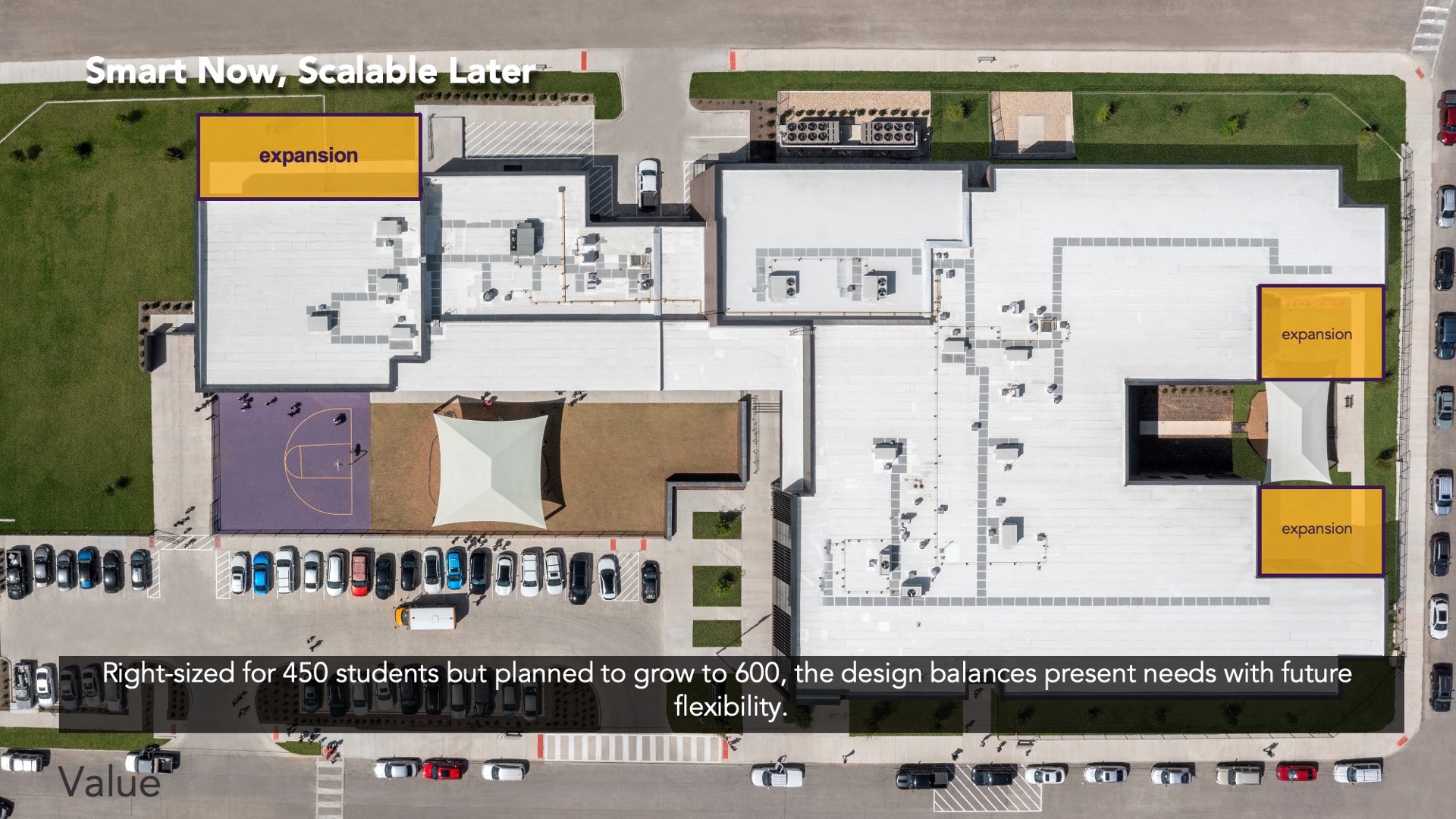
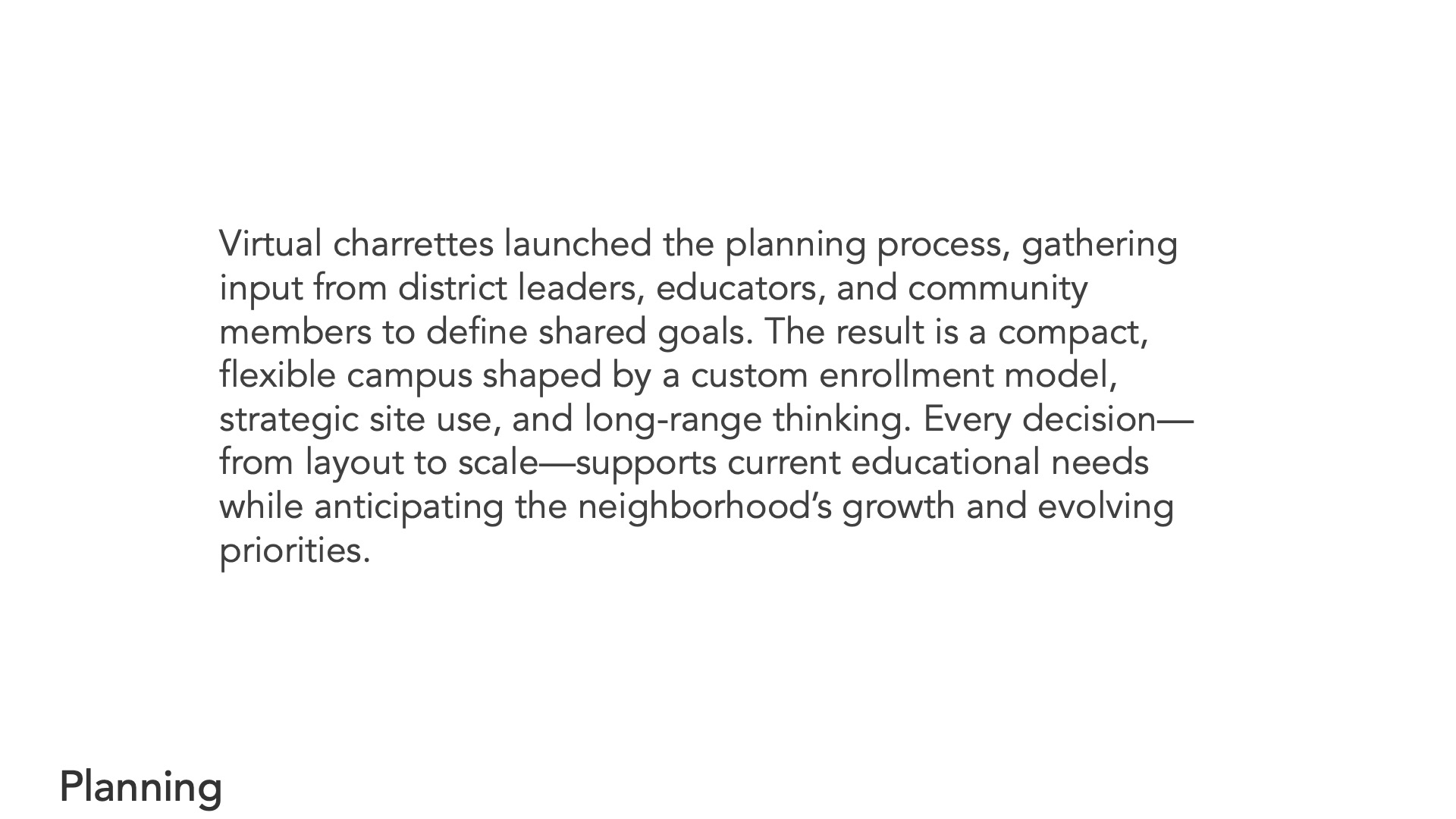
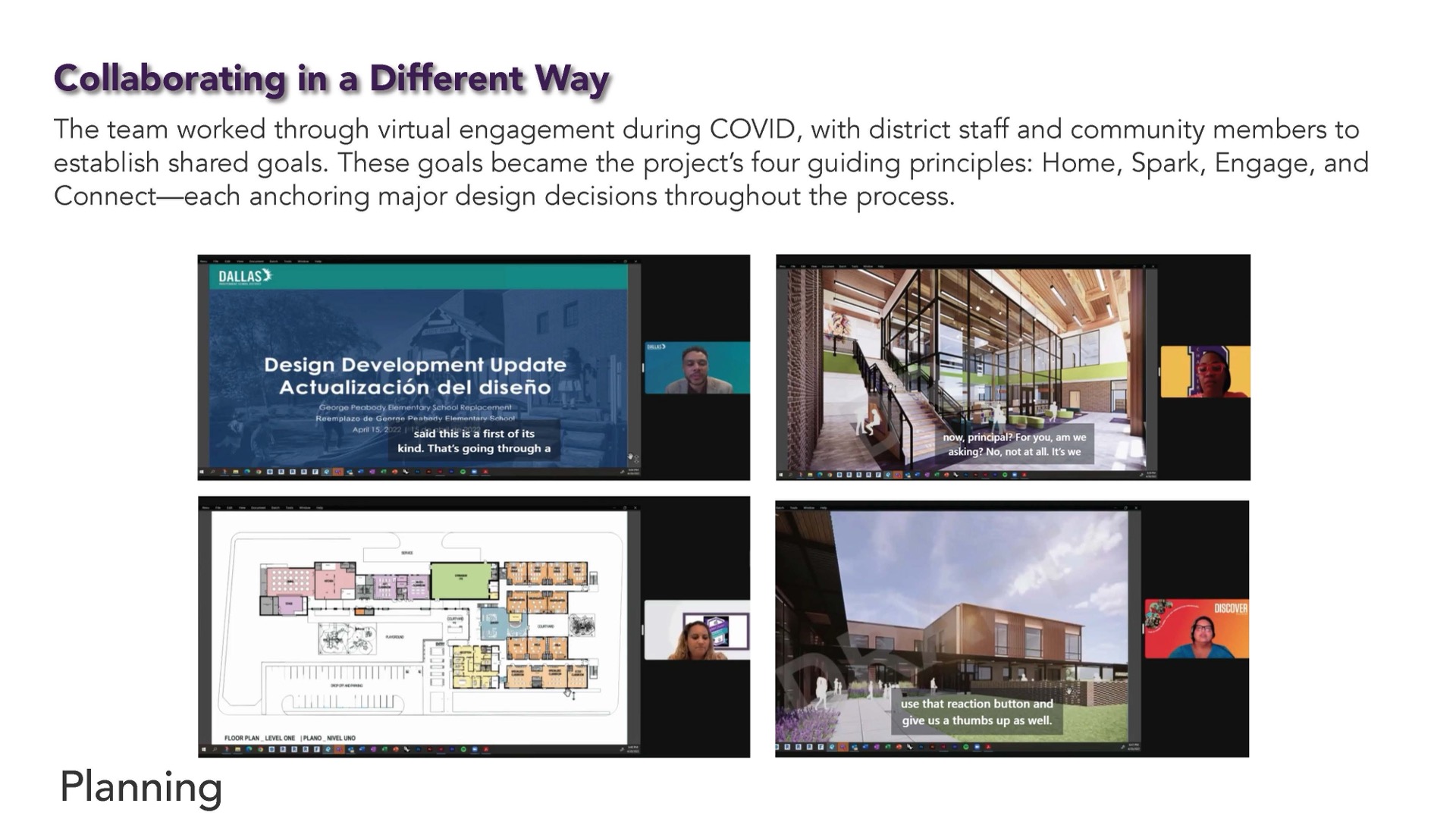
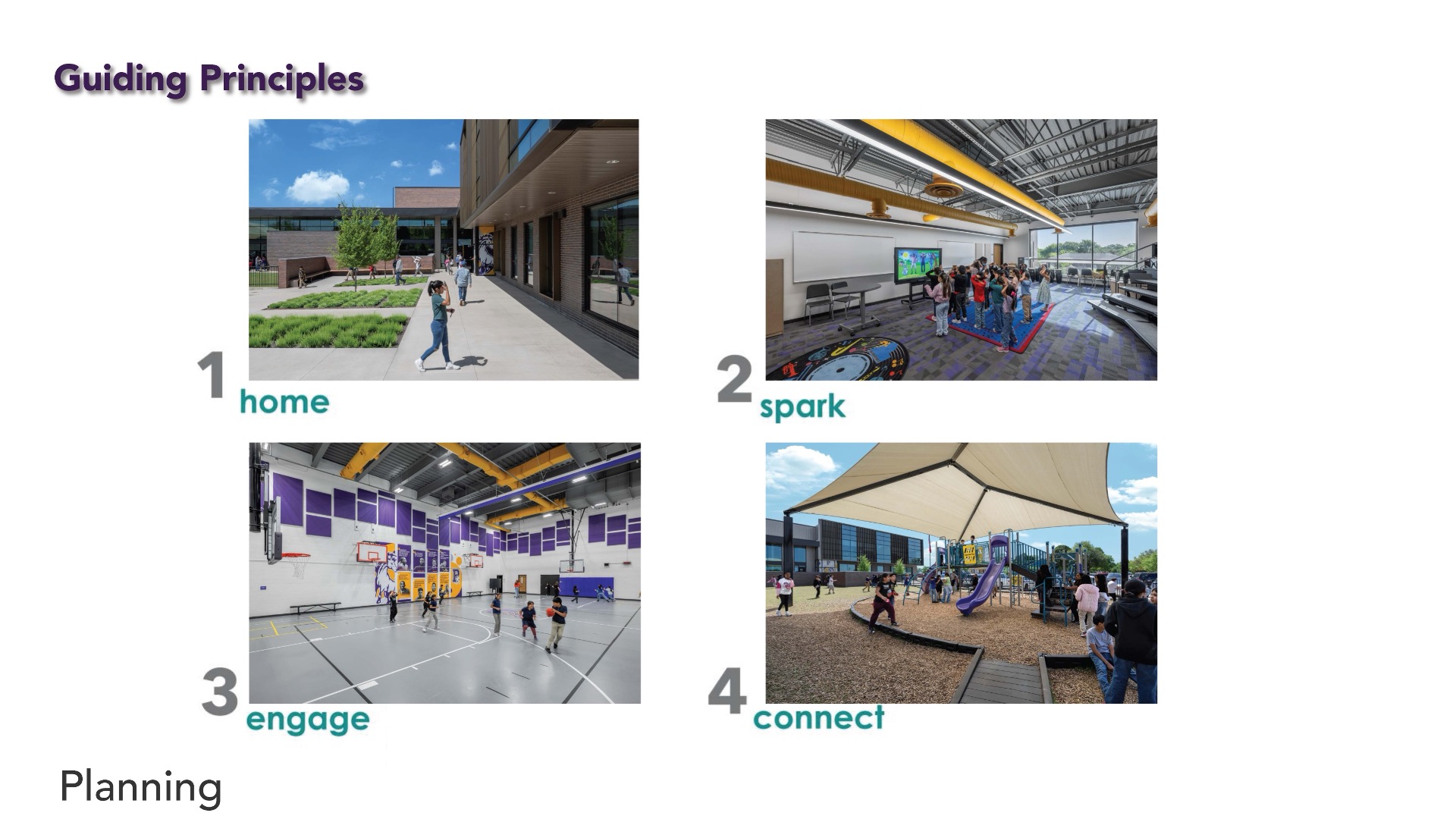
Virtual charrettes launched the planning process, gathering input from district leaders, educators, and community members to define shared goals. The result is a compact, flexible campus shaped by a custom enrollment model, strategic site use, and long-range thinking. Every decision—from layout to scale—supports current educational needs while anticipating the neighborhood’s growth and evolving priorities.
School Transformation
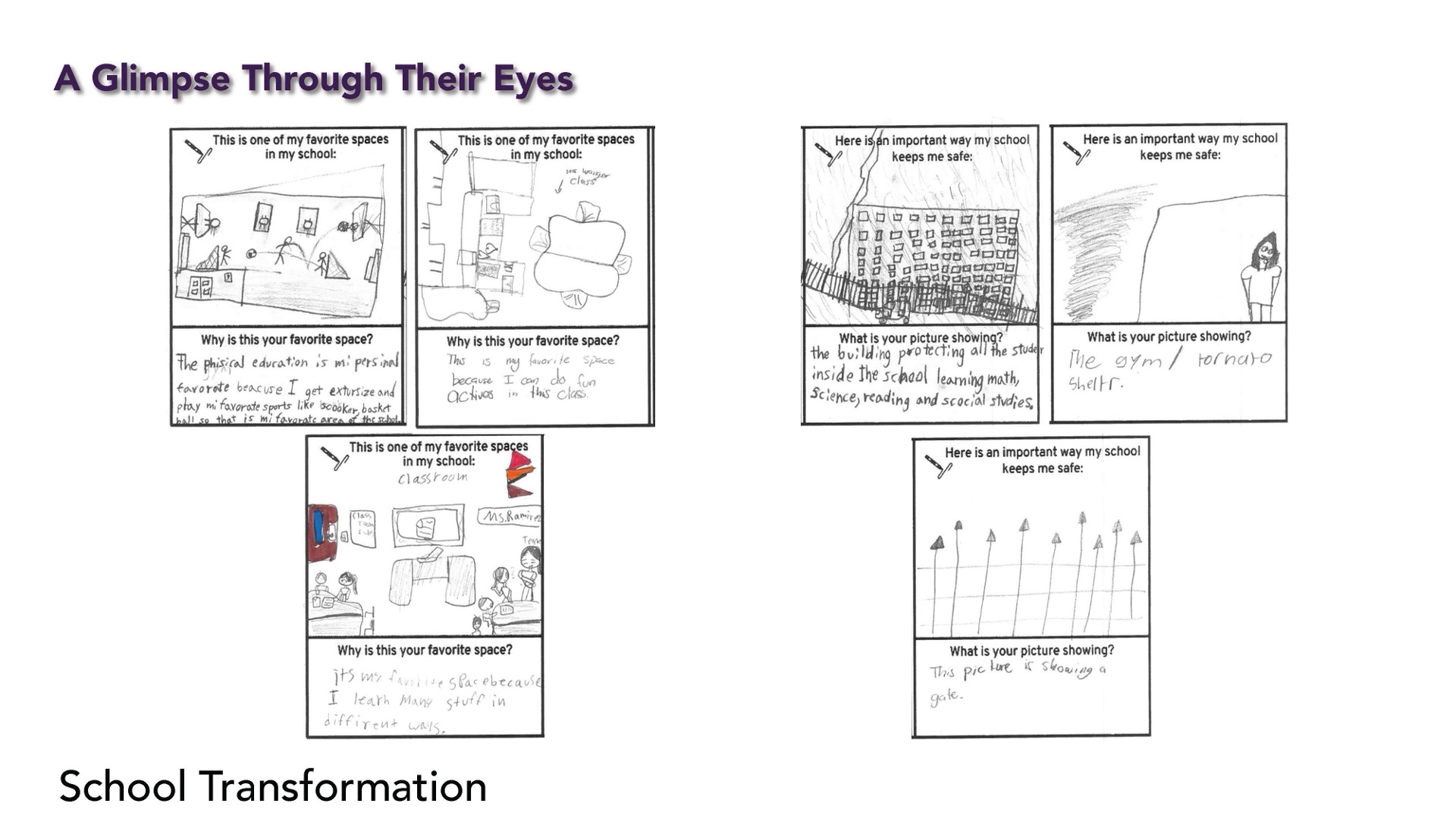
Peabody’s transformation is more than visual—it reshapes how students learn and teachers connect. Once-isolated classrooms are now part of a visible, collaborative learning landscape. Students see art, library, and makerspace from shared spaces. Teachers co-plan and support each other across flexible zones. It’s not just a better building—it’s a different kind of school: open, adaptive, and full of possibility.
 Star of Distinction Category Winner