Describe how the design and/or the design process resulted in a project of improved efficiency, flexibility, adaptability, and enhance value to the campus, district, and/or the community at large. Identify specific project considerations as they relate to the cost of ownership, life cycle costs, long-term cost control to preserve district funds, materials selected, construction methods used, and alternative design choices that provided enhanced project value and success.
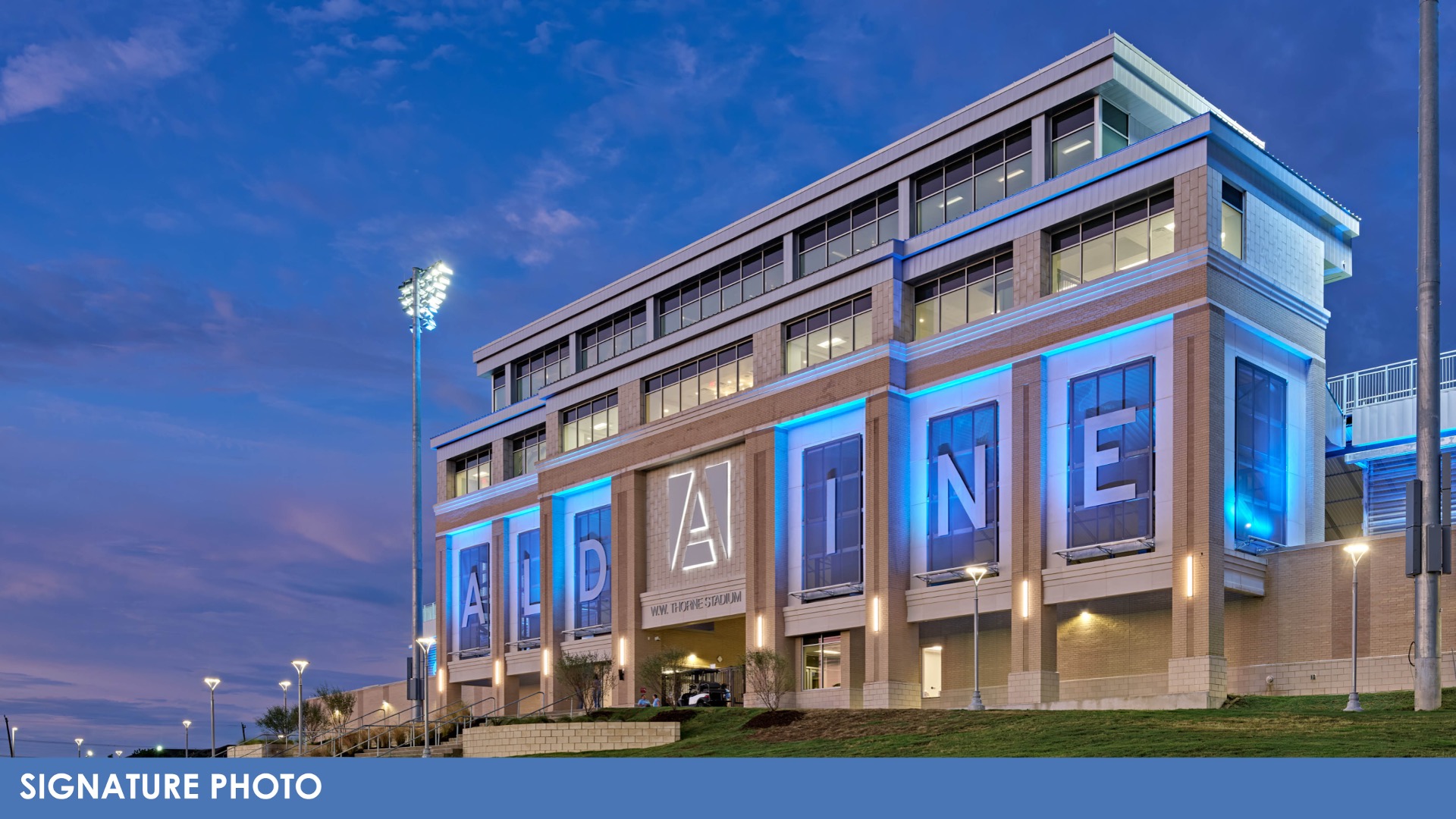
| Aldine ISD—W.W Thorne Stadium
W.W. Thorne Stadium is a new 10,000-seat multipurpose stadium replacing Aldine ISD’s former facility. The project includes a two-story press box, open-air concourses, concessions and restrooms, a multi-use football/soccer field, video scoreboard, community room, band and drill team plaza, officials’ facilities, renovated adjoining locker rooms, parking improvements, and programmable LED lighting. |
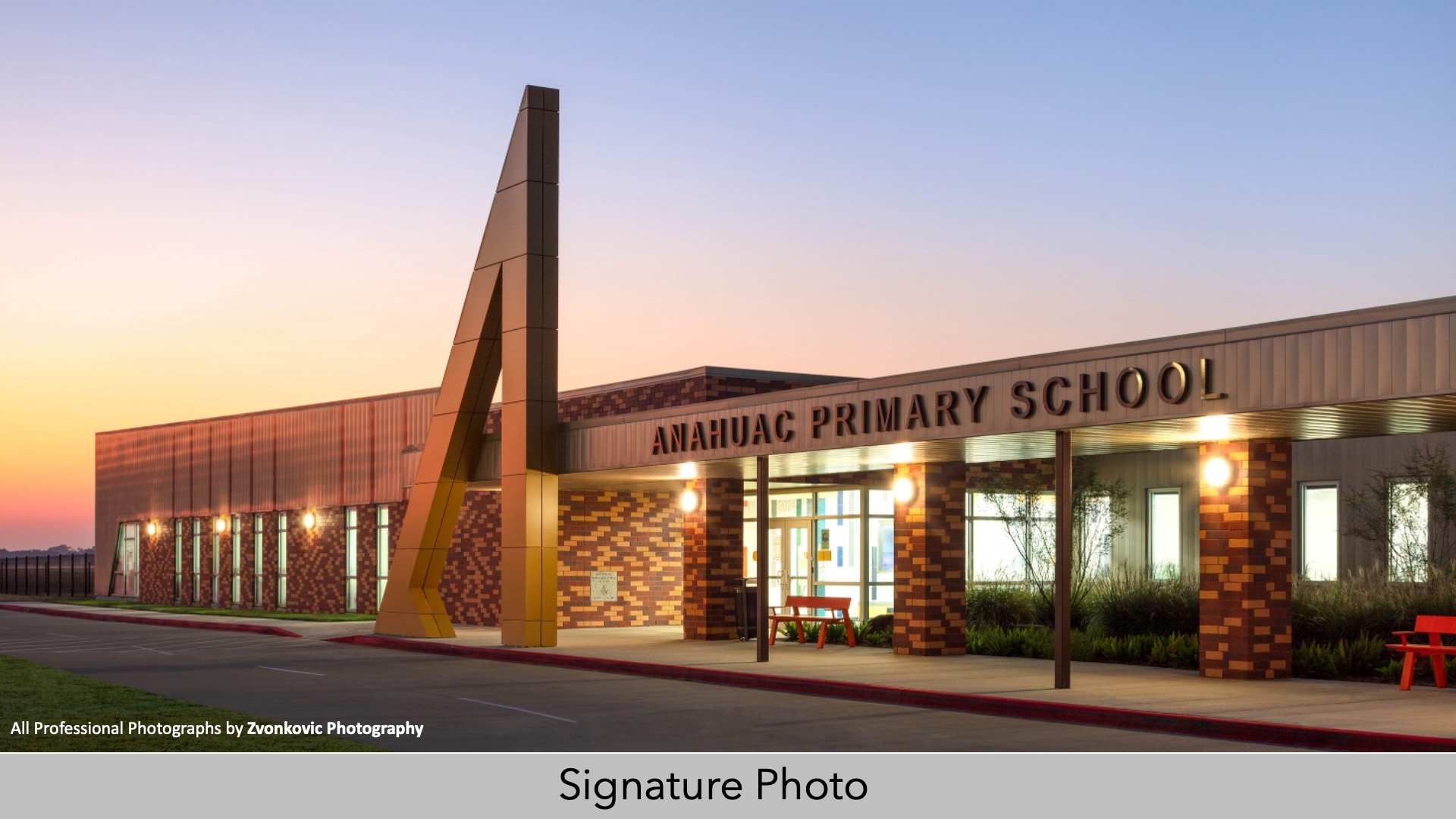
Anahuac ISD—Anahuac Primary School
The project scope began during the planning of our client’s 2022 bond election. Facility assessments and enrollment projections were conducted to evaluate immediate needs and long-term growth across the 1,500-student district. This comprehensive planning effort included evaluation of renovation versus new construction, enrollment projections, and a district-wide grade reorganization strategy. |
|
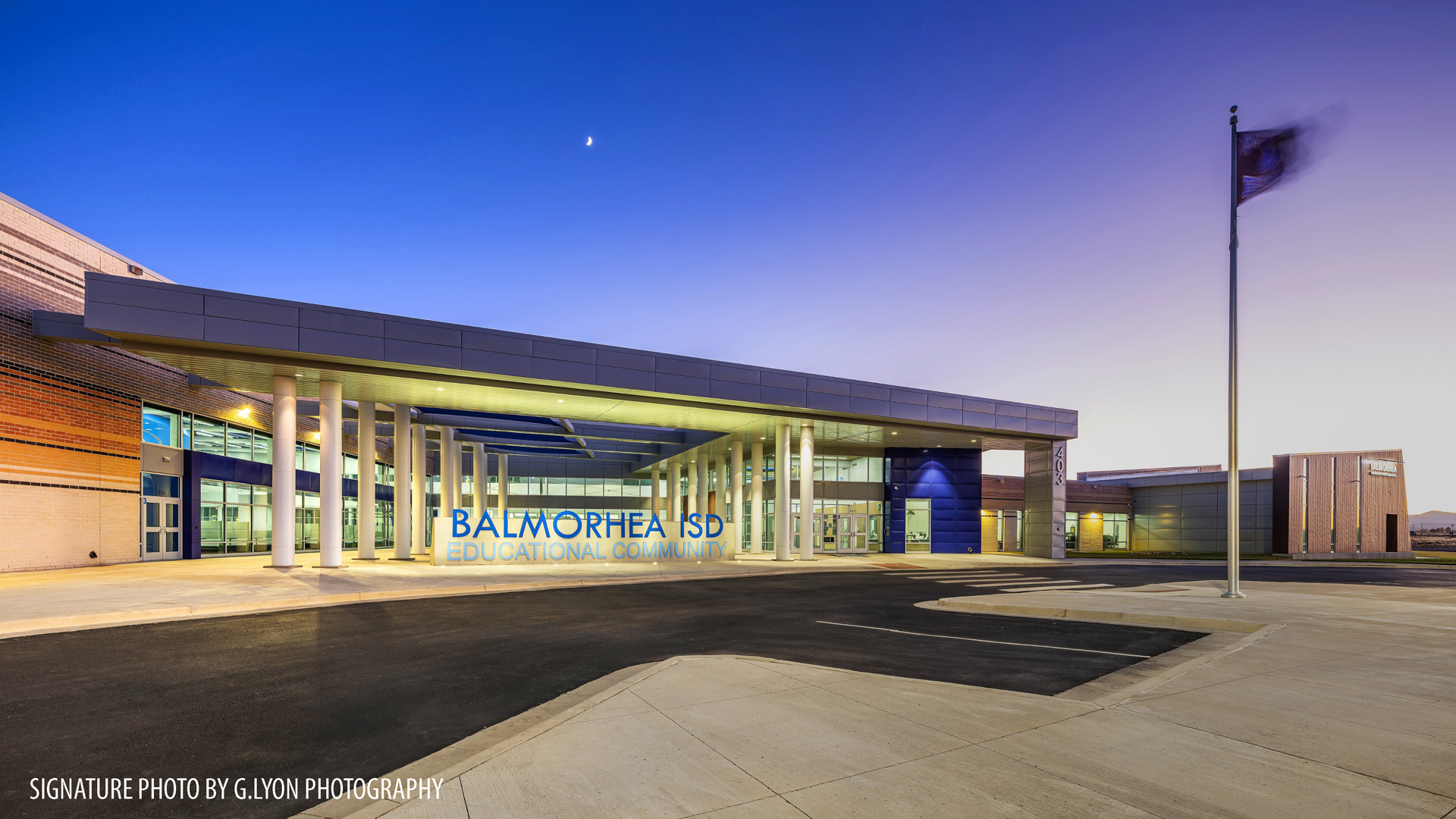
| Balmorhea ISD—Balmorhea ISD Educational Community
The 179,140-square-foot full replacement PreK–12 campus, which serves the entire district, sits on an 83-acre site and includes a 1,000-seat 6-man football stadium, 500-seat competition gym, Career and Technology Education and Agriculture facilities (shop and barn), and tennis courts. Set against the Davis Mountains with unobstructed views, the campus integrates academics, athletics, and career pathways into one unified educational environment for all students and serves as the heart of the community. |
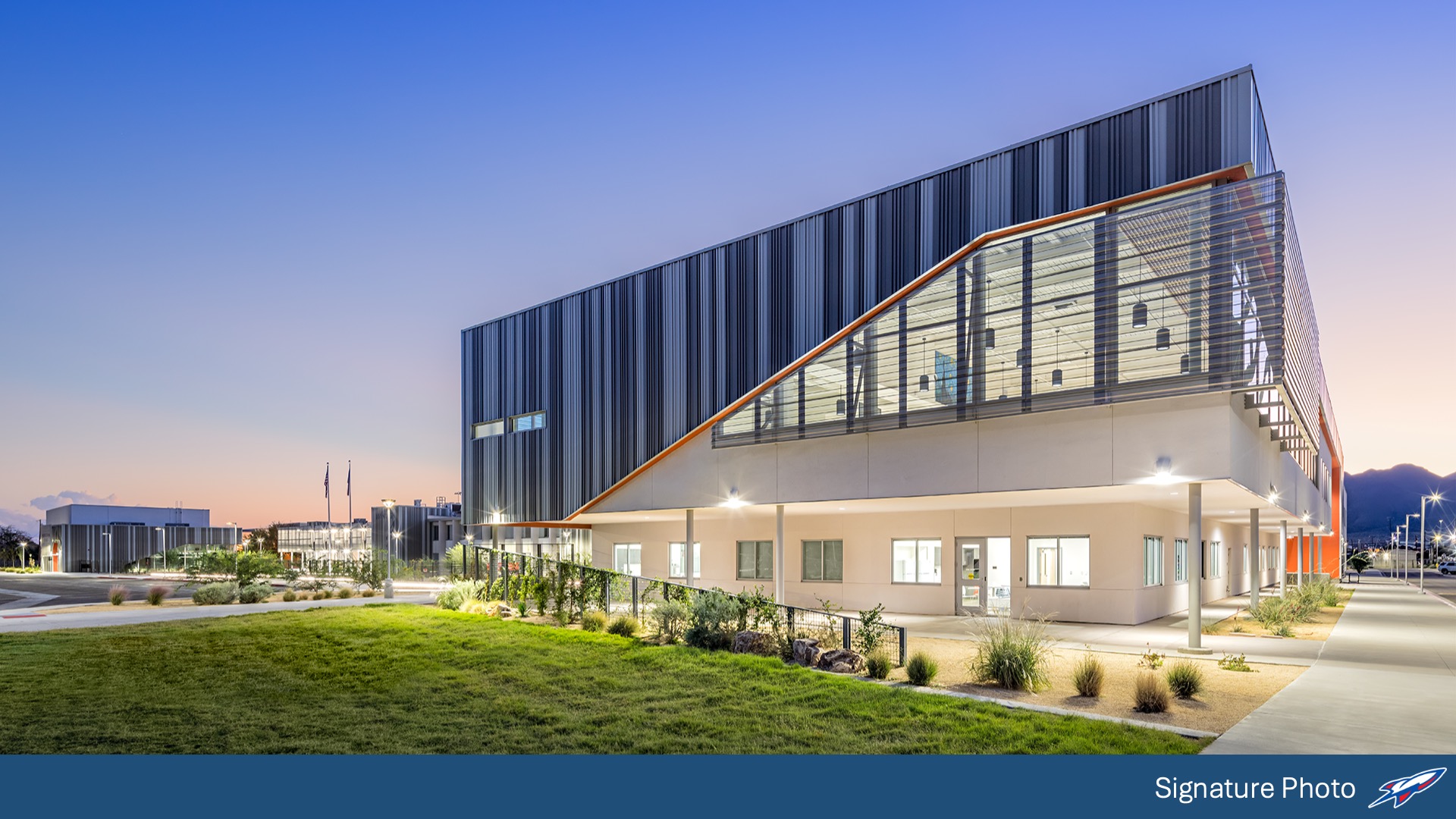
El Paso ISD—Irvin High School
The occupied campus renovation and addition to Irvin High School transformed an aging, fragmented campus into a cohesive, future-ready learning environment for 1,600 students. The existing 32.5-acre campus included 10 buildings, five portables, multiple athletic facilities, separate parking areas, and site amenities that created challenges for circulation, security, wayfinding, and educational delivery. |
|
| Godley ISD—Godley High School – The WILD
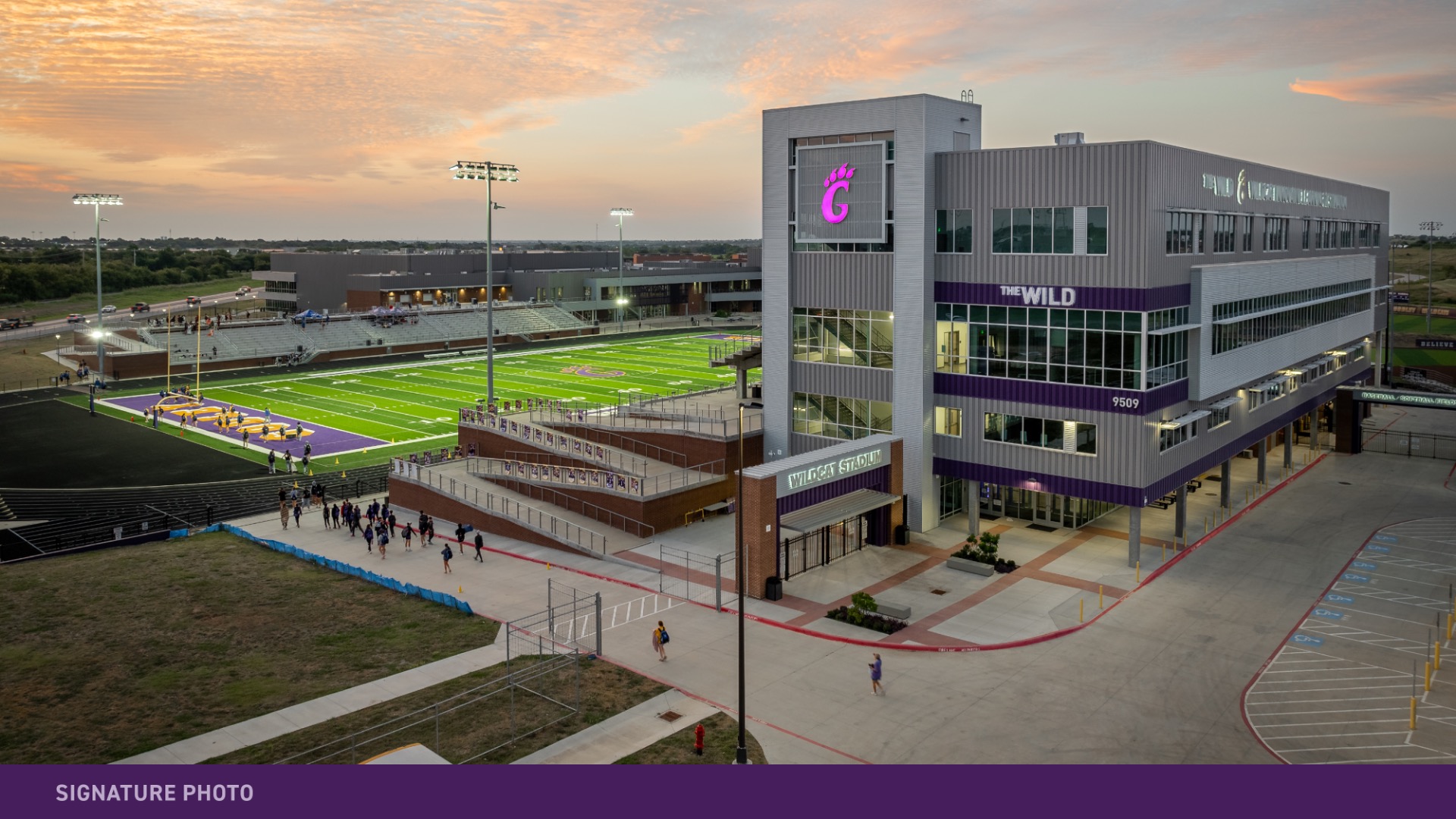
The WILD (Wildcat Innovative Learning Destination) at Godley High School is a four-story CTE center integrated into the home side of the football stadium, transforming a traditionally single-use venue into an active year-round learning destination. Designed for flexibility and real-world experience, the facility supports multiple CTE programs through adaptable classrooms, labs, and outdoor learning spaces while also expanding stadium seating, athletics facilities, and community use. |
Judson ISD—Selma Elementary
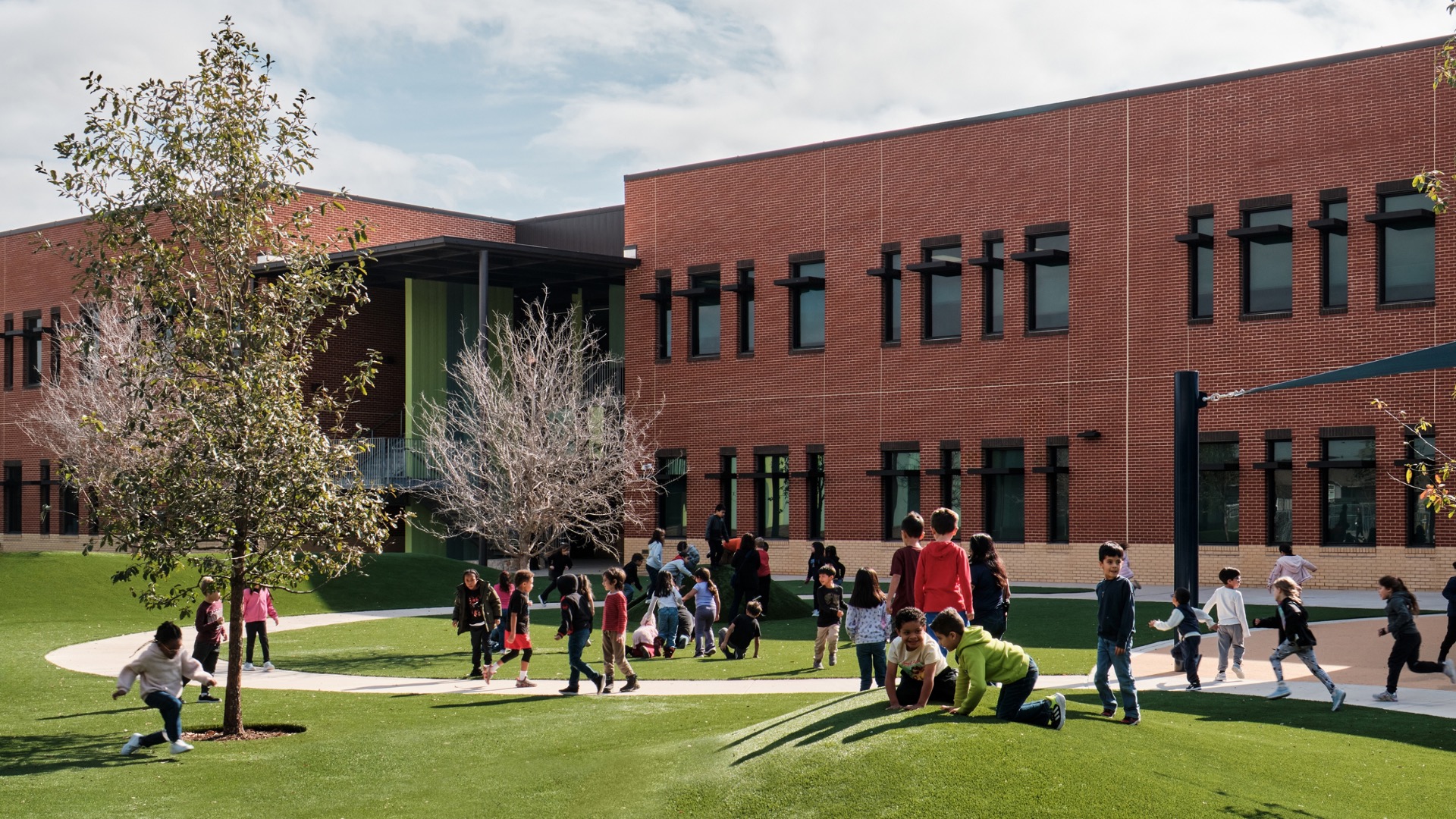
The new elementary campus addresses enrollment growth, offers modern facilities, and sets a higher district design standard for elementary schools. Facilities leadership, parents, and faculty used Selma Elementary to set a higher design standard for Judson ISD. This prototype prioritizes health, enduring community value, and future educational success. The design responds to evolving early childhood pedagogy and supports dedicated teaching staff. Stakeholder meetings established a vision for the elementary school campus: Joy, Safety, Flexibility, Innovation, and Future-Focused & Future-Driven. |
|
| Klein ISD—Haude Elementary School
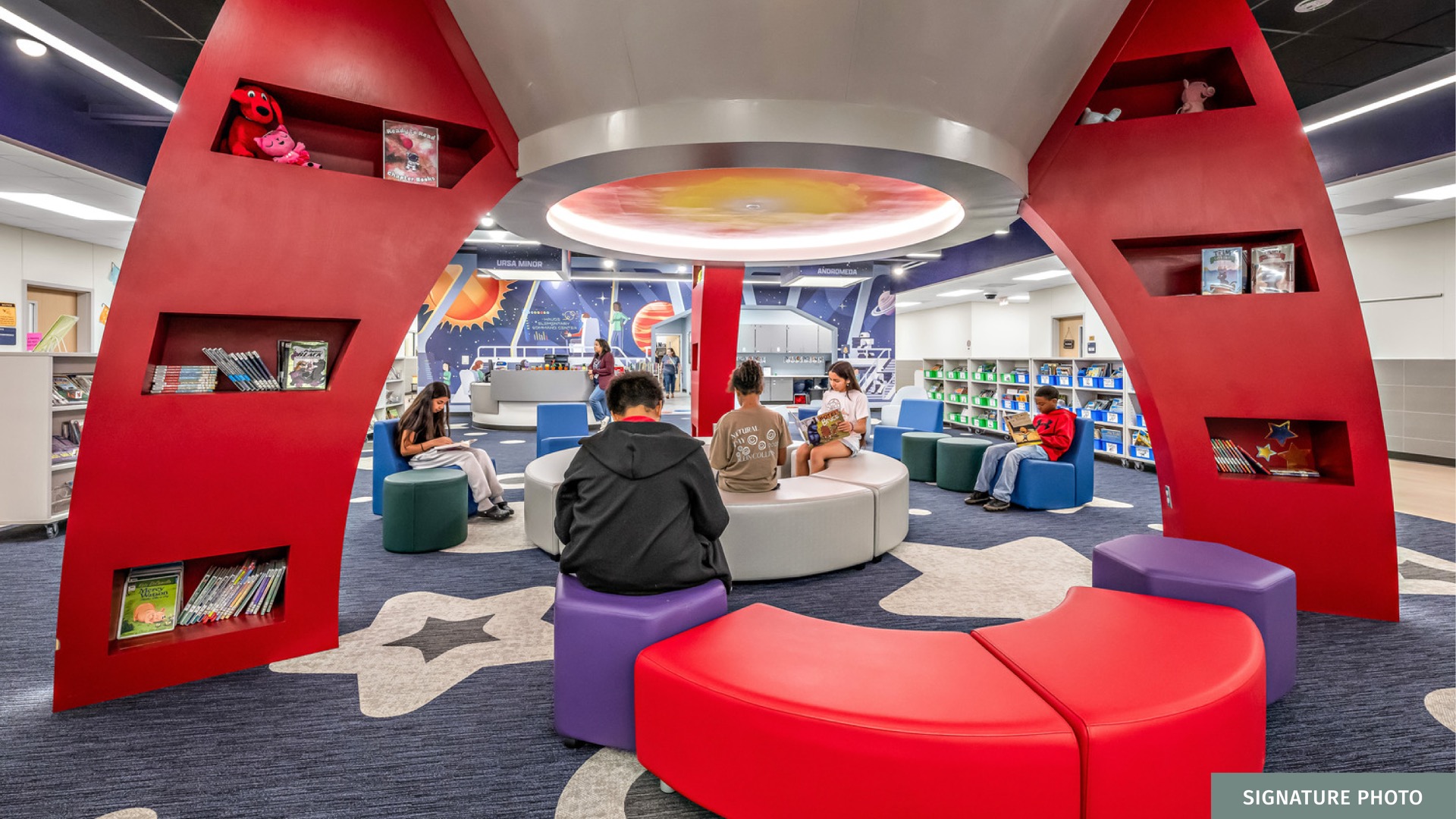
Haude Elementary School underwent a comprehensive renovation and modernization of approximately 80,000 square feet, transforming existing classrooms, the gymnasium, cafeteria, and library while preserving the school’s established identity. The redesigned campus introduces flexible learning pods, collaborative spaces, updated instructional environments, improved circulation, and enhanced connections to outdoor learning areas, creating a more student-centered and future-ready elementary school. |
Lamar CISD—Haygood Elementary School
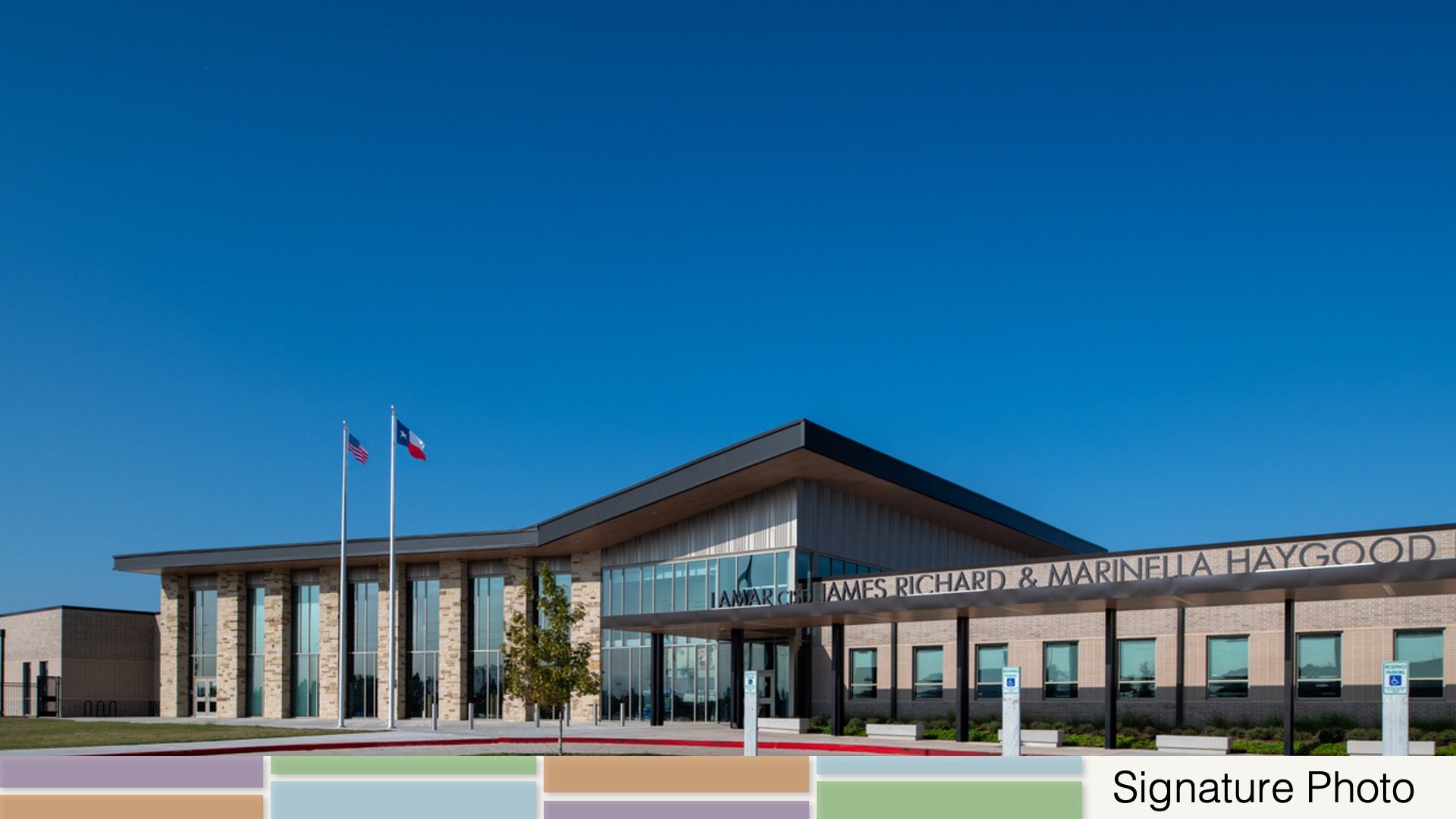
Haygood Elementary School is the first implementation of Lamar CISD’s next-generation elementary school prototype, developed to support the district’s rapidly growing student population while creating a flexible, student-centered learning environment. The campus establishes a new model for future schools, organizing academic neighborhoods, collaborative learning areas, dining and community spaces, and secure circulation into a cohesive and highly adaptable design. |
|
| Leander ISD—Denise Geiger Compass Center
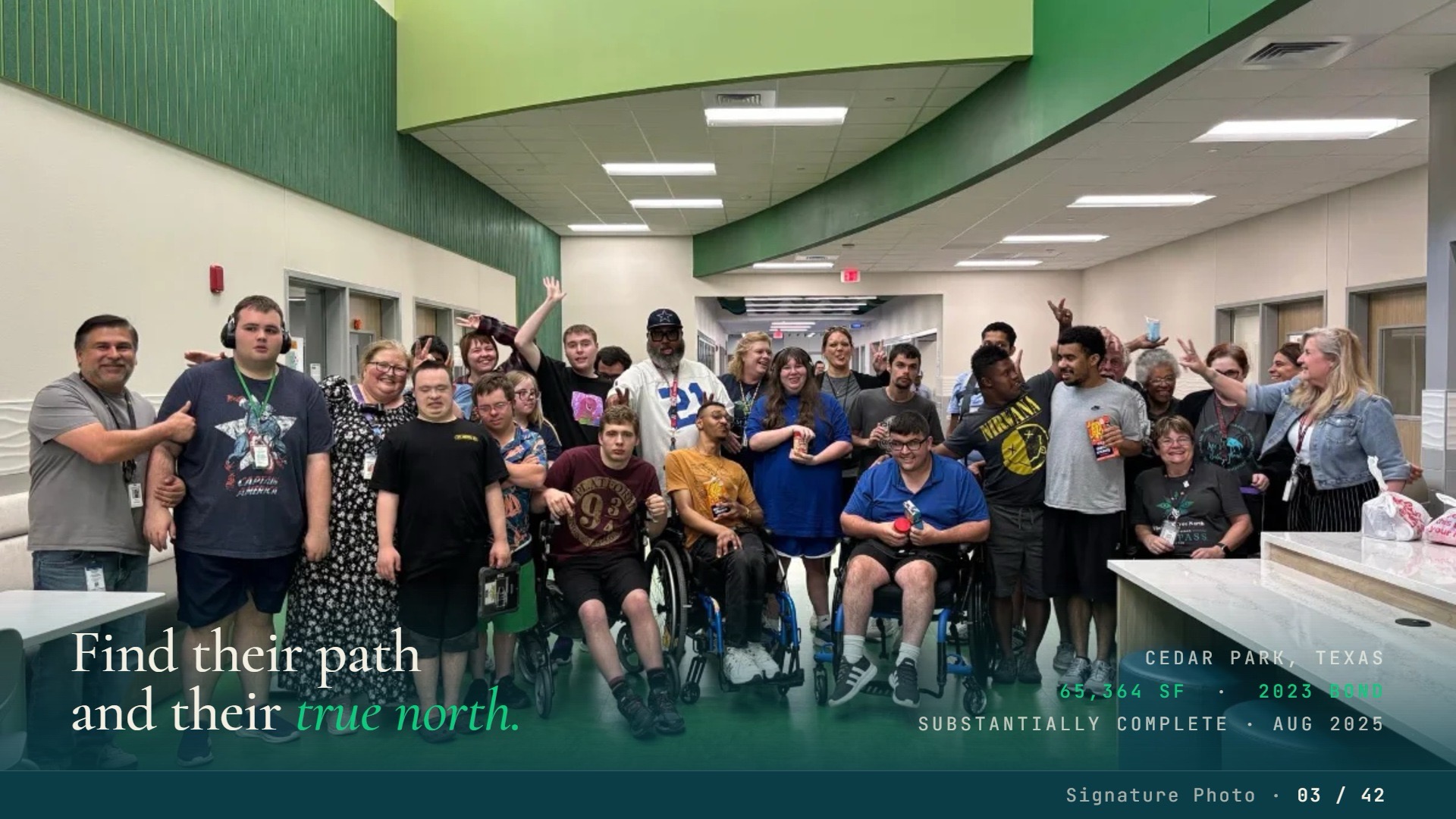
The Denise Geiger Compass Center is a purpose-built facility for Leander ISD’s 18+ Transition Services program, serving young adults ages 18–22 receiving special education services. The center includes accessible classrooms and restrooms, vocational learning spaces, a mock apartment, a commercial kitchen, and an outdoor trail, creating real-world environments where students can build independent living, employment, and community-readiness skills. |
New Caney ISD—West Fork High School
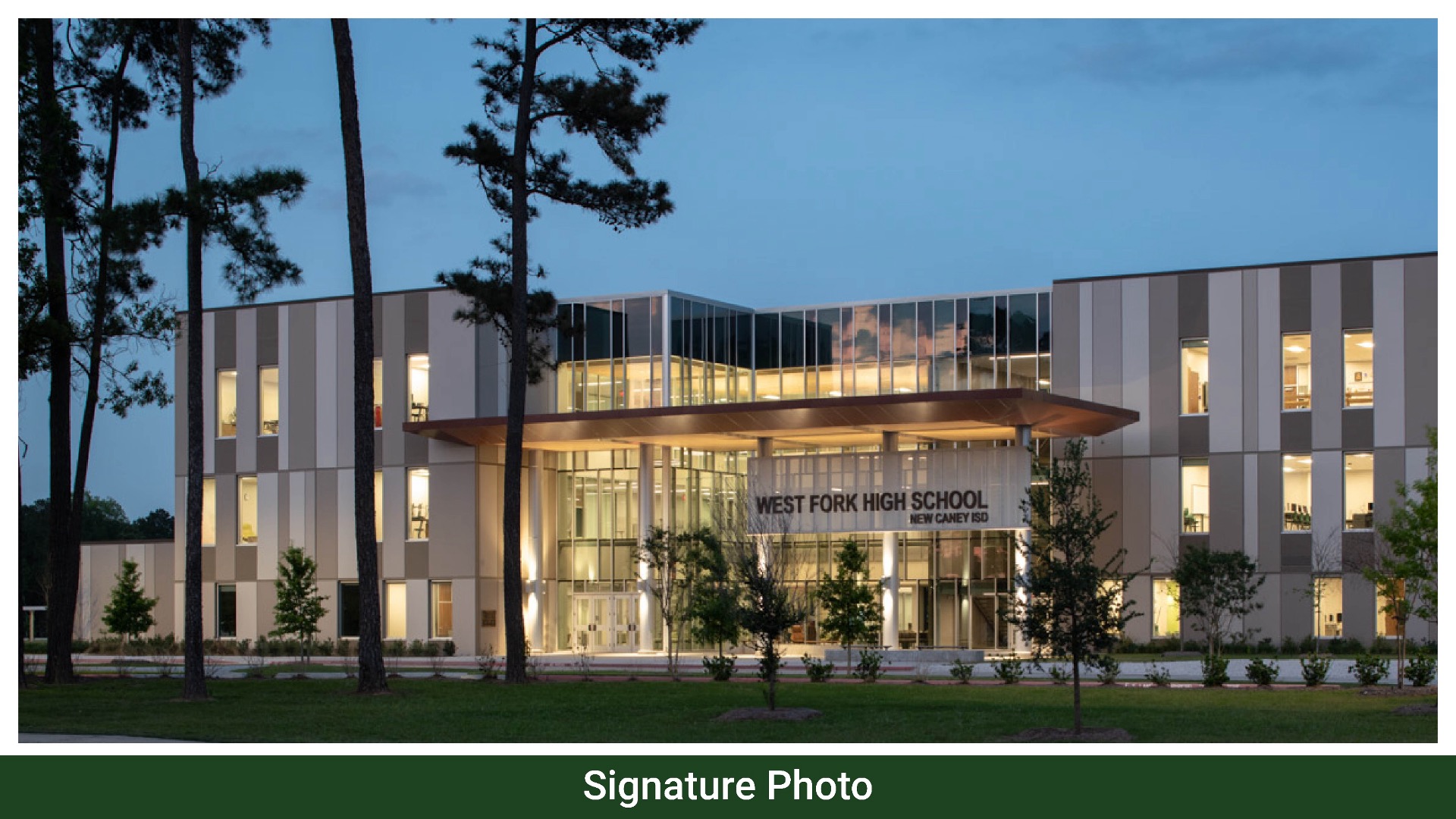
West Fork High School Phase 2 expands the existing campus by approximately 180,000 square feet, adding classrooms and flexible learning spaces to increase student capacity from about 1,500 to 2,250 students. The project also includes a gymnasium addition, site and parking improvements, and a new covered multipurpose turf practice facility supporting athletics and extracurricular programs. |
|
| Pecos-Barstow-Toyah ISD—Pecos CTE Center
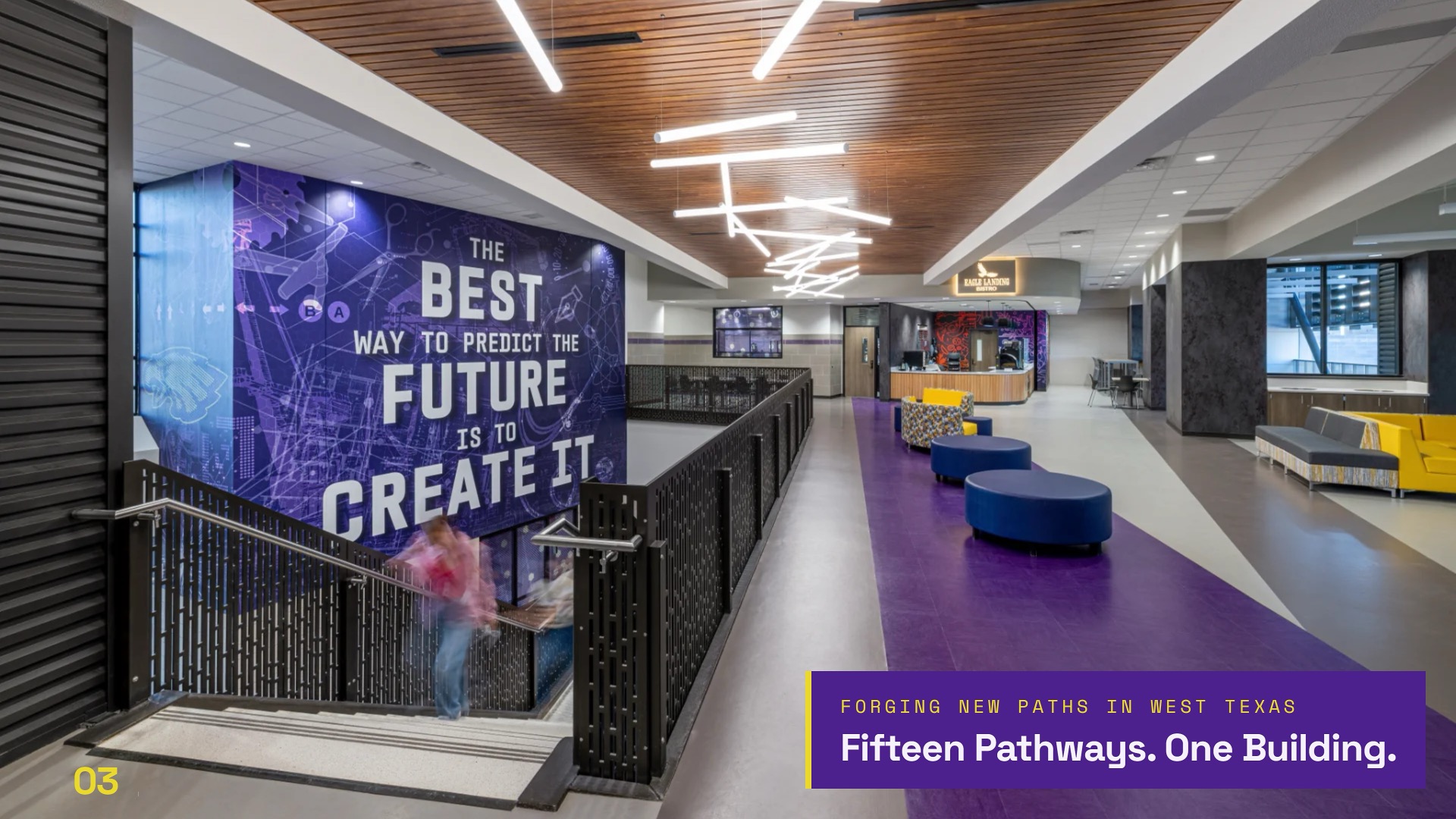
The Pecos CTE Center is a new career and technical education facility serving grades 9–12 and represents the first phase of Pecos-Barstow-Toyah ISD’s new high school development. The center supports 15 career-readiness programs with purpose-built instructional labs, classrooms, and hands-on learning environments designed to expand workforce preparation and industry-aligned opportunities for students. |
Richardson ISD—Lake Highlands Middle School
Lake Highlands Middle School is a new three-story campus built to replace the former junior high and support Richardson ISD’s transition to a grades 6–8 middle school model. Designed for up to 1,500 students, the project provides updated instructional and collaborative learning environments, expanded academic and extracurricular spaces, and site improvements including parking, tennis courts, and landscaping. |
|
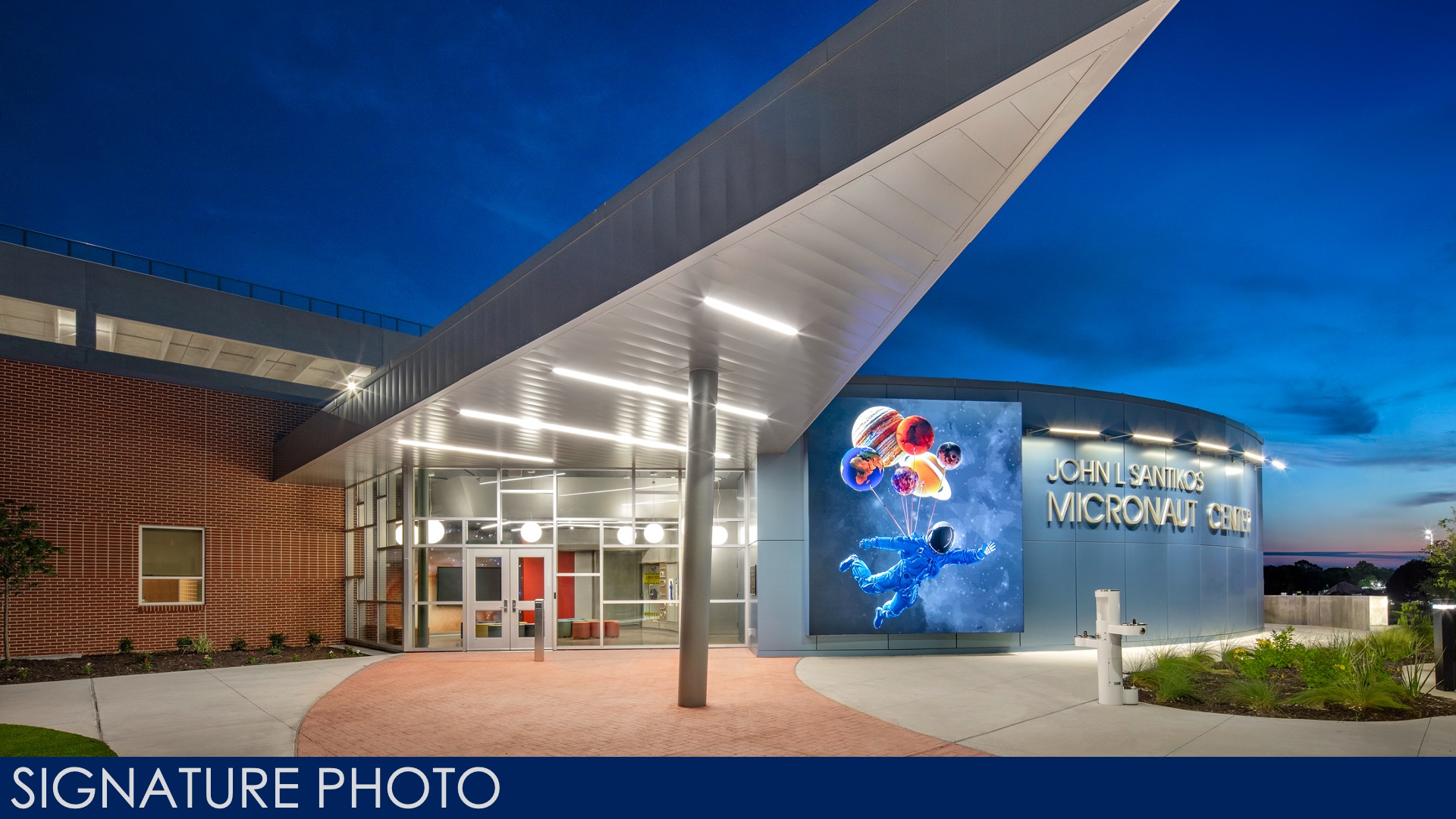
| San Antonio College—John L. Santikos Micronauts and Early Childhood Center
The 21,000-square-foot Early Childhood Center and John L. Santikos Micronaut Center brings together childcare, early childhood education, and hands-on STEAM learning in a purpose-built facility. The project includes age-specific classrooms, teaching and multipurpose spaces, secure outdoor play and learning areas, administrative and support spaces, and an immersive Micronaut environment featuring simulated space missions and interactive exhibits for young learners. |
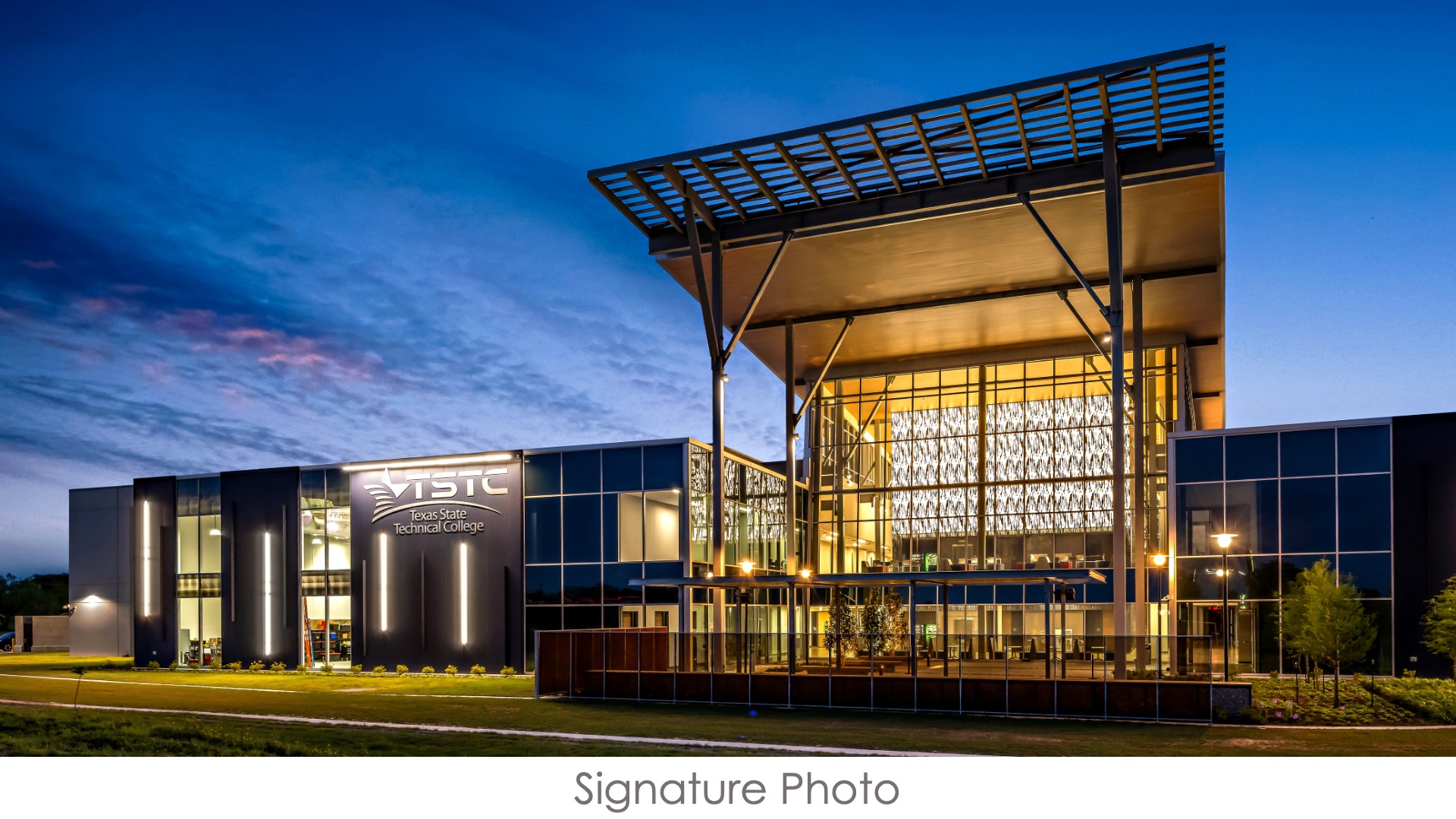
TSTC, Waco Campus—Construction Technologies Center
The Construction Technologies Center is a new approximately 129,000-square-foot, two-story career and technical education facility on TSTC’s Waco campus. It consolidates Building Construction, Electrical Construction, Solar Energy, HVAC, Plumbing, and Pipefitting programs into one facility featuring large hands-on instructional labs, classrooms, faculty offices, collaboration and student spaces, and flexible infrastructure designed to support evolving construction technologies and TSTC’s performance-based learning model. |
|
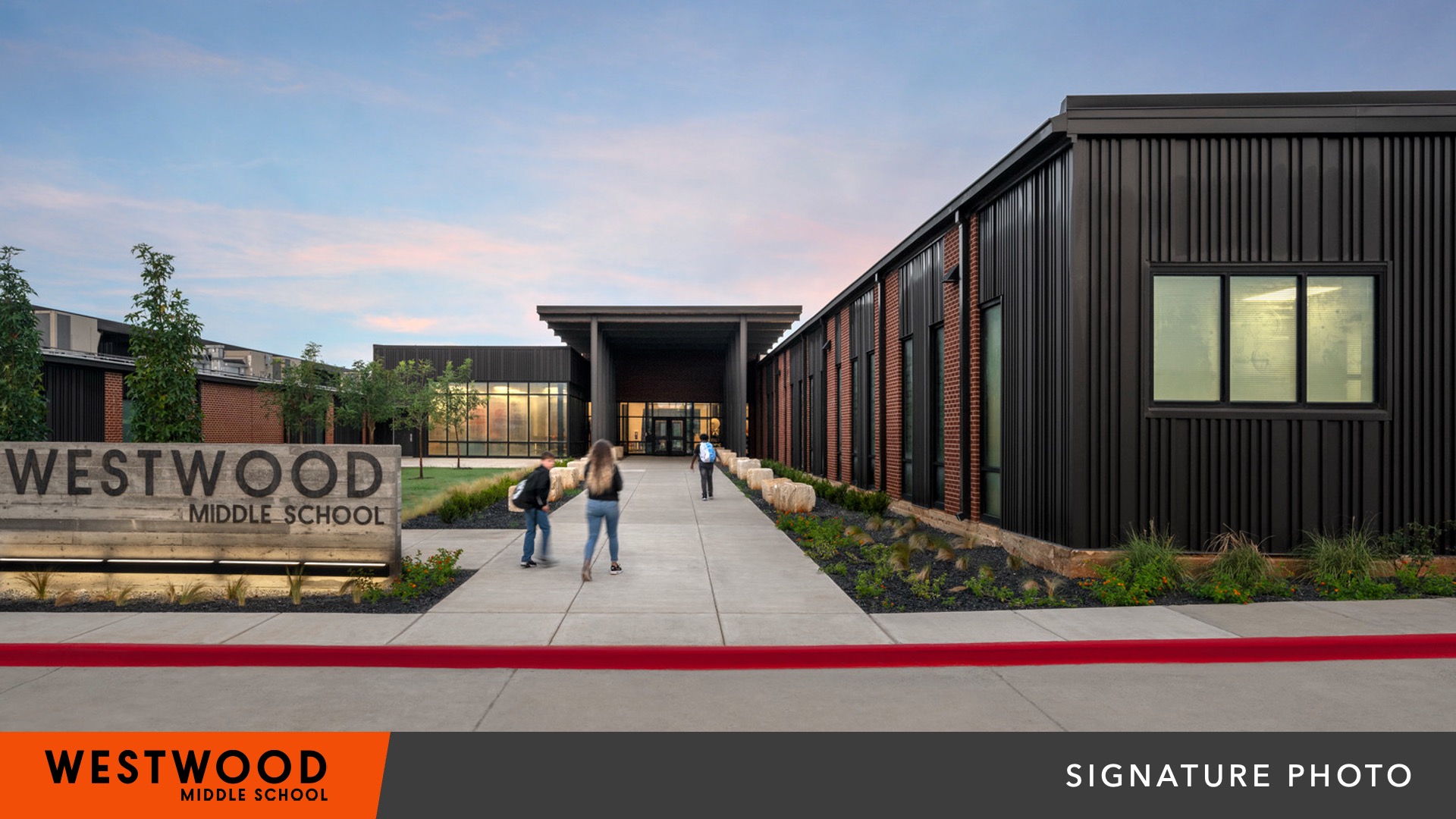
| Westwood ISD—Westwood Middle School
Westwood Middle School is a comprehensive grade 6–8 campus transformation that combined major additions with extensive renovations to unify five previously separate buildings into a cohesive learning environment. The project included new construction connecting academic, administrative, dining, and collaborative spaces; renovation of existing facilities; modernization of learning environments; enhanced safety and circulation; and the creation of flexible spaces that support collaboration, creativity, and future enrollment growth. |